Environment & Health
Sun, Sea and Hormones: What's Really Behind the Holiday Feeling
20 July 2026 · By Dr. B.J. Huber · 10 min read
I’m sitting by the sea right now, in the sun, and I feel like most people do: after a few days by the water, everything feels lighter. Better sleep, a calmer head, more energy. In perimenopause especially, that is worth a lot. The question the scientist in me asks: is it real, or just holiday mood?
A surprising amount of it is real and measurable. But there is also a lot of half-knowledge floating around, especially about the “healing sea air.” This article separates the two: what sun and water demonstrably do to your body, what matters in perimenopause, and what is myth and what is real.
- Sun is more than vitamin D: UV light releases nitric oxide in the skin, which lowers blood pressure, independent of vitamin D (Liu et al., 2014).
- The good feeling is biochemical: Under sun, the skin produces beta-endorphin (Fell et al., 2014), and daylight raises serotonin production (Lambert et al., 2002).
- Water calms you down: Cold water on the face triggers, through the diving reflex, an immediate calming via the vagus nerve (Panneton, 2013).
- Sea air and hormones: For the popular negative ions, no reliable effect could be shown (Perez et al., 2013). What actually works is the whole package of light, movement, sleep, and less stress.
- Take-home: The most important points (morning light, movement, cool water, sleep) work at home too.
Sun Is More Than Vitamin D
Most people connect sun only with vitamin D. Yet something else happens in the skin that was overlooked for a long time.
The research group around Richard Weller has shown that UV light releases nitric oxide in the skin. This molecule widens the blood vessels and lowers blood pressure. This effect runs completely independent of vitamin D. In one experiment, blood pressure dropped measurably after UV exposure of the skin, without vitamin D levels rising (Liu et al., 2014). The cardiovascular system becomes more sensitive in perimenopause. That is exactly where this often-overlooked effect acts.
Then there is the good feeling itself. Let me show you the biochemistry behind it: under UV, the skin produces beta-endorphin, a feel-good compound of the body that enters the bloodstream. That this can turn into a real “sun craving” has so far been shown mainly in animal models: beta-endorphin acts on the same opioid pathway as some addictive substances (Fell et al., 2014). This explains why sun feels so good, and why “more and more” is not a good idea. It is about regular, moderate doses.
The third mechanism is the light itself, entirely without UV. Daylight sets your internal clock: in the morning it dials down the sleep hormone melatonin and raises the production of serotonin, which carries mood and alertness. One study measured serotonin production in the brain directly. It was higher the brighter and longer the sun shone (Lambert et al., 2002). This day-night rhythm is worth its weight in gold in perimenopause, because sleep and mood are more fragile then anyway.
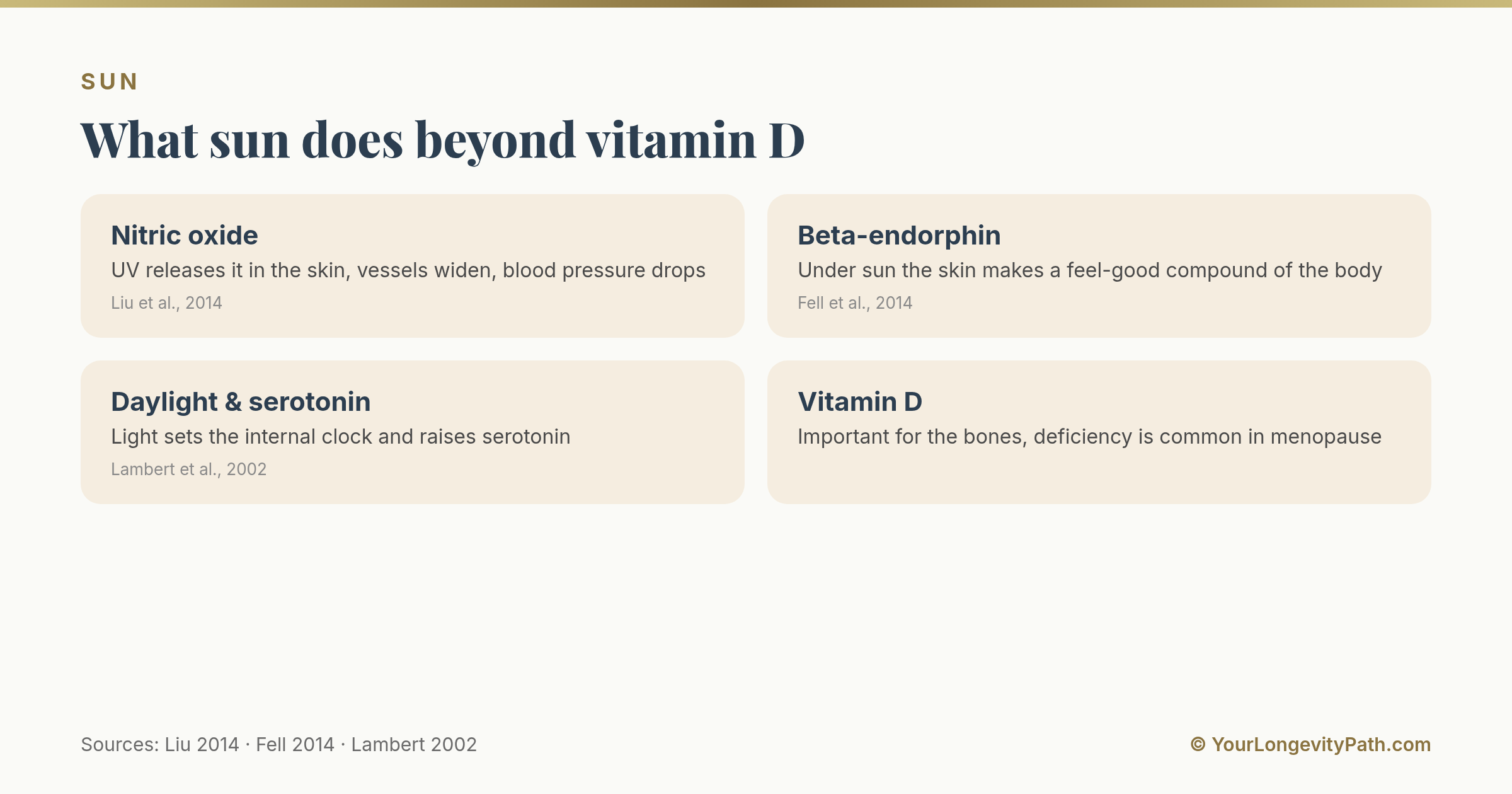 Fig. 1: What sun does beyond vitamin D (Liu et al., 2014; Fell et al., 2014; Lambert et al., 2002).
One thing you often read online, however, still belongs in the caution drawer: that the infrared of the sun “charges” the mitochondria. The mechanism behind it (near-infrared can stimulate the respiratory chain in cells) is indeed described for medical light-therapy devices with defined wavelengths and doses. That normal sunbathing achieves the same effect is not proven. An interesting hypothesis, but not yet a fact.
Vitamin D, the Familiar Part
Vitamin D remains important, above all for the bones, and a deficiency is especially common in women around midlife. There is a hormonal reason: falling estrogen can make the skin, kidneys, and gut less efficient at producing and absorbing vitamin D. In a phase when bone density becomes a topic anyway, it is worth checking the value, ideally together with your other blood values. Sun helps top it up, but for a real deficiency it does not replace targeted supplementation.
Why a Dip in the Sea Calms You Instantly
There is a moment many people know at the water: you dip in, and after the first shock it becomes relaxing. Behind it is an ancient reflex.
Cold water on the face stimulates the trigeminal nerve. It switches directly to the vagus nerve, your most important rest nerve. The result is the so-called diving reflex: the heart slows, the vessels in the arms and legs narrow, the body switches into a saving and rest mode. This reflex is built into all mammals and kicks in within seconds (Panneton, 2013). You don’t even need to swim: just holding your face in cool water is enough to nudge the vagus. That way you calm your nervous system within seconds, without any tools.
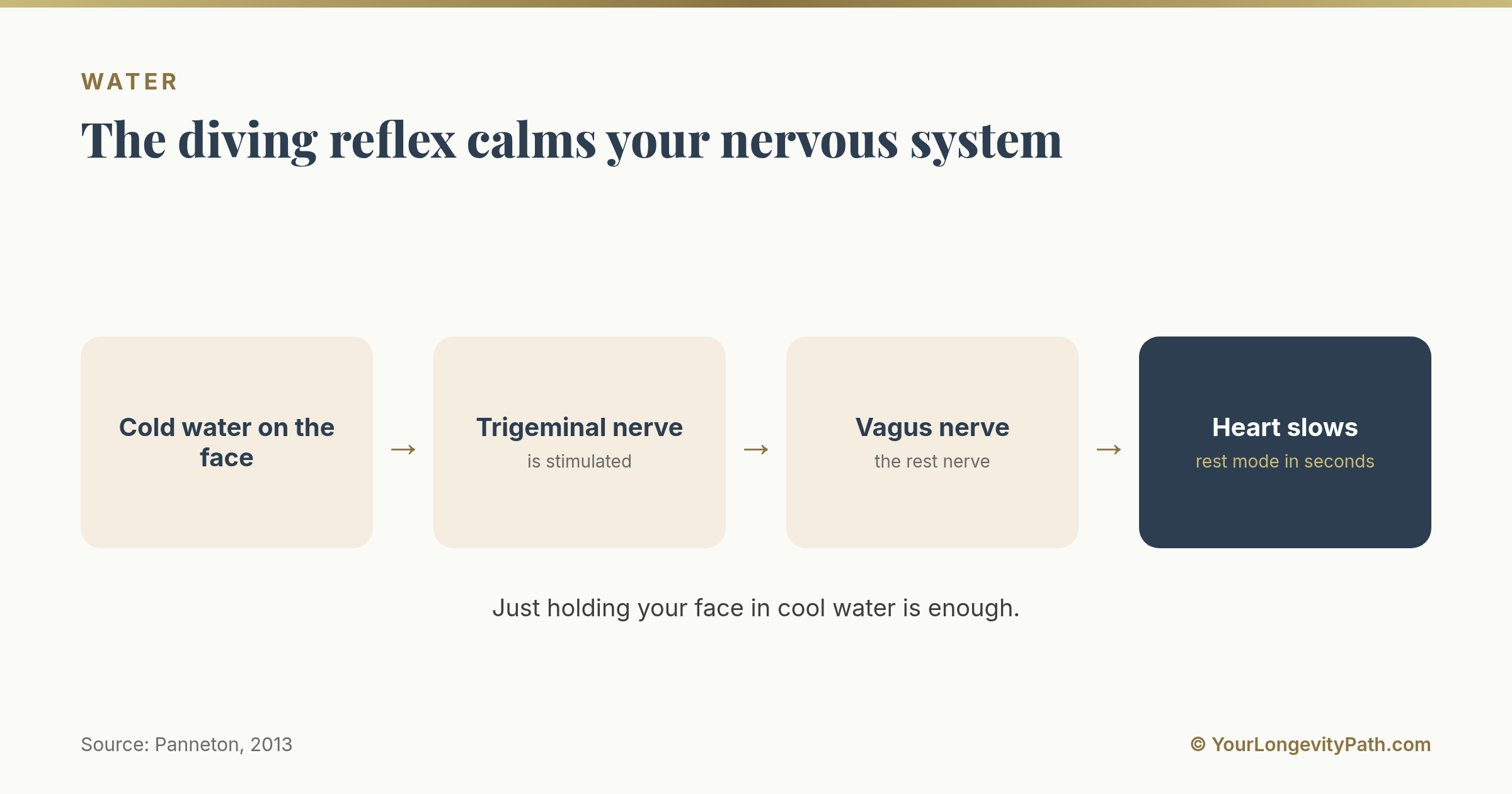 Fig. 2: The diving reflex calms the nervous system within seconds (Panneton, 2013).
Swimming and Your Stress Level
Beyond the seconds-long reflex, regular swimming in the cool sea also acts on mood and sleep. There are still only a few studies, but they are increasing: in a small study of 13 regular female sea swimmers, anxiety levels dropped and mood and sleep improved (Forsten and Wetherell, 2025). And even a single dip in cold water can briefly lift the mood (Kelly and Bird, 2022). One limitation: these studies rely heavily on self-report and small groups. So we see an effect, but not yet solid proof.
On top of that comes the effect of the surroundings themselves. Being near water, called “blue space” in research, is linked to lower stress levels and more recovery (Gascon et al., 2017). This works through a mix of the sight and sound of the water, movement, less noise, and a slower pace. This bundle lowers cortisol, and cortisol weighs especially heavily in perimenopause. I describe the same calming effect through the green version in the article on the forest and your nervous system.
And the Sea Air?
Now to the point where I most want to clear things up, because the most myth sits in it: the supposedly “hormonally healing” sea air.
The most popular explanation is negative ions, negatively charged particles that are more common at the sea and by waterfalls. They are said to improve mood and hormones. The most thorough analysis to date, a meta-analysis of 33 studies, found no reliable effect of negative ions on mood, anxiety, relaxation, or sleep. Only for depressive symptoms was there a signal at very high ion doses, which has nothing to do with a normal beach day (Perez et al., 2013). The often-cited iodine in sea air is also present in amounts that play no role for the thyroid.
What is really behind sea air concerns the airways: the fine salt aerosol moistens the mucous membranes and eases coughing. That is good for the lungs, but for the hormones it plays no role.
What really does your hormones good at the sea is the whole package. Plenty of daylight that orders your day-night rhythm. Sun that influences blood pressure and mood. Cool water that nudges the vagus. Plus more movement, fewer appointments, better sleep, and the Mediterranean food with plenty of olive oil. None of it is magic, and that is exactly the good news.
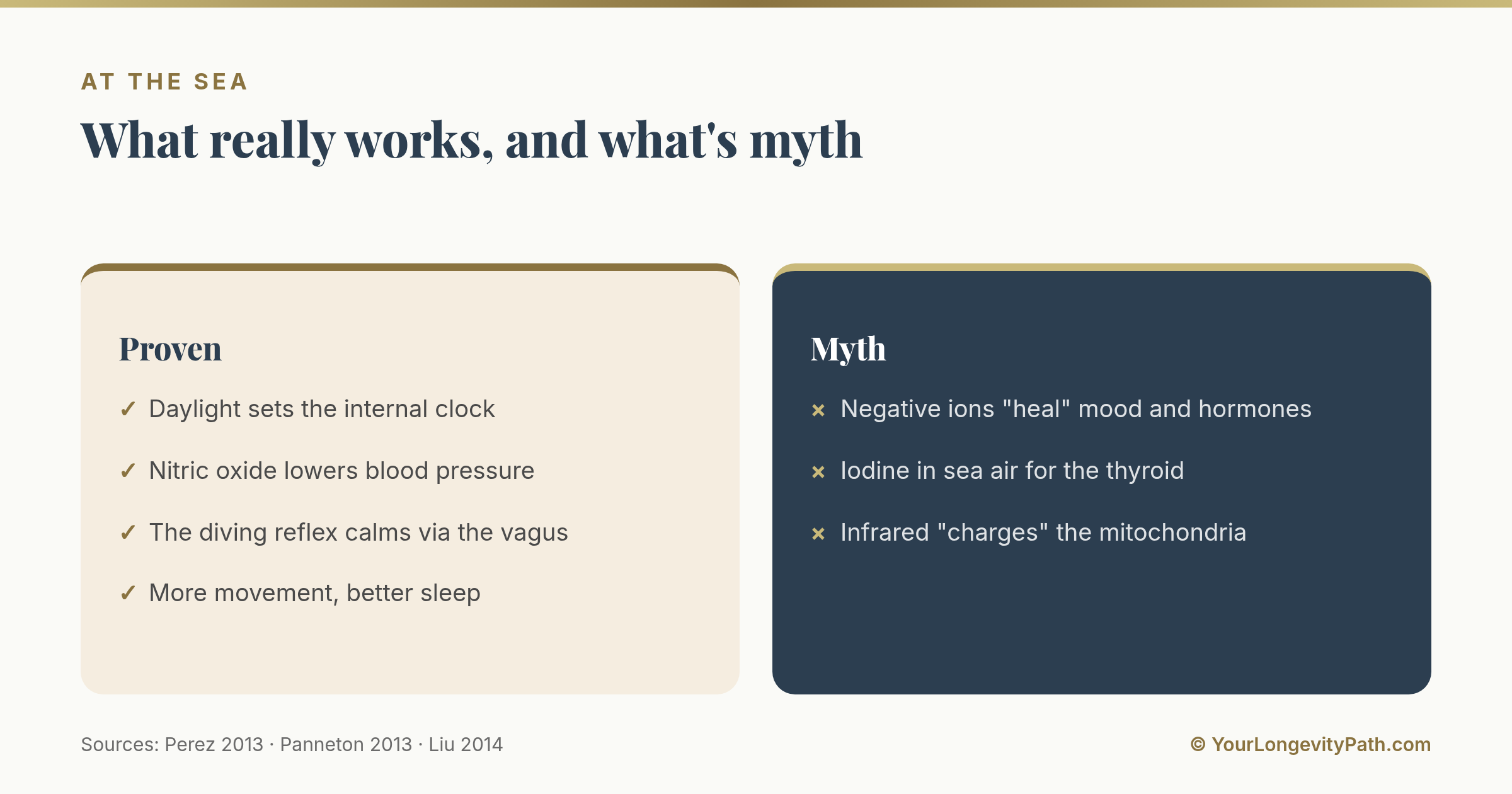 Fig. 3: At the sea, the package works, not the “magic air” (Perez et al., 2013; Panneton, 2013; Liu et al., 2014).
What You Take Home
Whether the holiday stays just two nice weeks or keeps working longer is decided here. A holiday alone does not put your hormones right. But you can nudge several factors at once, and they work at home too.
- Light in the morning. Go outside briefly, early and without sunglasses, at the sea and at home. This morning light cue sets your sleep-wake rhythm most strongly.
- Sun in moderate doses. Short, regular portions instead of hours of roasting. That gets you the blood pressure, mood, and vitamin D effect without damaging the skin.
- Use cool water. Your face or your whole body briefly into cool water, breathing out consciously. At home, a cool finish in the shower works as a small vagus exercise.
- Build movement into the day. Swimming, walking, going barefoot. It doesn’t have to be training, the main thing is regular and enjoyable.
- Protect your sleep. The quieter holiday days are the chance to find a sleep routine you can take with you.
Planned realistically: use the holiday as a launch pad for two or three habits you keep afterwards. That works longer than any “healing air.”
The Bottom Line
The holiday feeling at the sea is real, and it has solid mechanisms: nitric oxide and endorphins from the sun, a light rhythm that carries sleep and mood, a diving reflex that calms you through the vagus, and the recovery of the blue-space surroundings. The “magic sea air,” by contrast, belongs in the realm of myths.
The nice part: you can take the most important of these points home with you. Light, movement, cool water, and sleep need no sea, only a little intention. The holiday is the invitation to get to know them.
Birgit
If you want to find out which of these levers make the biggest difference for you, my coaching for perimenopause provides the right framework, or you can start with a free initial consultation.
Scientific Sources
- Liu D, Fernandez BO, Hamilton A, et al. UVA irradiation of human skin vasodilates arterial vasculature and lowers blood pressure independently of nitric oxide synthase. J Invest Dermatol. 2014;134(7):1839–1846. doi:10.1038/jid.2014.27
- Fell GL, Robinson KC, Mao J, Woolf CJ, Fisher DE. Skin β-endorphin mediates addiction to UV light. Cell. 2014;157(7):1527–1534. doi:10.1016/j.cell.2014.04.032
- Lambert GW, Reid C, Kaye DM, Jennings GL, Esler MD. Effect of sunlight and season on serotonin turnover in the brain. Lancet. 2002;360(9348):1840–1842. doi:10.1016/S0140-6736(02)11737-5
- Panneton WM. The mammalian diving response: an enigmatic reflex to preserve life? Physiology (Bethesda). 2013;28(5):284–297. doi:10.1152/physiol.00020.2013
- Forsten J, Wetherell MA. An exploratory study into the effects of regular cold-water sea swimming on daily indices of mental health. Lifestyle Medicine. 2025. doi:10.1002/lim2.70029
- Kelly JS, Bird E. Improved mood following a single immersion in cold water. Lifestyle Medicine. 2022;3(1):e53. doi:10.1002/lim2.53
- Perez V, Alexander DD, Bailey WH. Air ions and mood outcomes: a review and meta-analysis. BMC Psychiatry. 2013;13:29. doi:10.1186/1471-244X-13-29
- Gascon M, Zijlema W, Vert C, White MP, Nieuwenhuijsen MJ. Outdoor blue spaces, human health and well-being: a systematic review of quantitative studies. Int J Hyg Environ Health. 2017;220(8):1207–1221. doi:10.1016/j.ijheh.2017.08.004
Does sun do more than vitamin D?
Yes. Besides vitamin D production, UV light releases nitric oxide in the skin, which widens the vessels and lowers blood pressure, independent of vitamin D (Liu et al., 2014). Under sun, the skin also produces beta-endorphin, a real feel-good compound (Fell et al., 2014). And daylight steers the internal clock and serotonin production (Lambert et al., 2002).
Why does a dip in the sea calm me so quickly?
That is the diving reflex. Cold water on the face stimulates the trigeminal nerve, which acts directly on the vagus nerve. The heart slows, the body switches into rest mode, often within seconds (Panneton, 2013).
Is sea air good for hormones?
Directly, hardly. The popular negative-ion story does not hold up: a meta-analysis found no reliable effect on mood, anxiety, or sleep (Perez et al., 2013). What actually works at the sea is the package: light, less stress, more movement, better sleep, and vitamin D.
Is cold-water swimming really good for mood?
The evidence is growing. Regular swimming in the cool sea is linked to less anxiety, better mood, and better sleep (Forsten and Wetherell, 2025), and even a single dip can lift the mood (Kelly and Bird, 2022). But the studies rely heavily on self-report.
Does a holiday by the sea really do anything for my hormones?
Yes, through concrete factors: plenty of daylight, movement, quieter days, better sleep, and some cool water. You can carry these on at home too, and then the effect lasts longer than two weeks.
This article is for informational purposes only and does not replace professional medical advice, diagnosis, or treatment. If you have health concerns, please consult a qualified healthcare professional.