Environment & Health
What Your Frying Pan Does to Your Hormones
19 June 2026 · By Dr. B.J. Huber · 10 min read
I love to cook, and I love to read studies. At some point those two things meet in the kitchen, over the pan that sits on the stove every day in most of our homes: the nonstick frying pan.
I am a natural scientist, and with an everyday object I am always interested in the mechanism, in how something actually works. Cookware attracts a lot of sweeping verdicts, from “everything except cast iron is poison” to “it’s all harmless.” Neither is true. It gets interesting when you look closely at what a material releases into your food, and which of those substances have anything to do with your hormone system at all.
Because this is the point most pan debates miss: when it comes to hormones, it is almost never about the metal. It is about the coating. This article sorts out which material really matters in perimenopause, separating the evidence from the kitchen mythology.
- The coating is the topic, not the metal: Nonstick coatings are made of PTFE, a substance from the group of per- and polyfluoroalkyl substances (PFAS). These are considered hormonally active.
- Perimenopause link: In a US long-term study of over 1,100 women, a higher PFAS blood level was linked to natural menopause arriving about two years earlier on average.2
- Scratches make it critical: A single scratch in a nonstick pan can release around 9,100 micro- and nanoplastic particles, a broken patch up to 2.3 million.1
- The safe materials: Cast iron, stainless steel, glass, and enamel release no hormonally active substances.
- Stainless steel is not a hormone problem: Its only caveat is some nickel during long, acidic cooking, relevant mainly for nickel allergy.4
Why the Coating Is What Matters
The classic nonstick coating is polytetrafluoroethylene, PTFE for short, better known by the brand name Teflon. Chemically, PTFE belongs to the large group of per- and polyfluoroalkyl substances, the PFAS. These substances are often called “forever chemicals” because their fluorine-carbon bonds are extremely stable and barely break down in the environment.
Here is the important distinction: the solid, intact PTFE on a new pan is largely inert at normal cooking temperatures. The older concern around PFOA, a particularly problematic processing aid, is less relevant for new pans since manufacturers phased it out around 2013. The problem is not the flawless pan from the store. The problem develops in everyday use: through heat and through scratches.
This is exactly the area that longevity research overlooked for a long time. As the review by Mesnage (2025) notes, environmental factors get far too little attention in the conversation about healthy aging, even though we are exposed to them daily. Cookware is a good example, much like the substances in conventional cleaning products that I have written about elsewhere.
What Happens With Heat and Scratches
A widely cited Australian study measured precisely what a damaged nonstick layer releases. The team around Luo and colleagues (2022) used Raman spectroscopy to image how many particles are freed when handling the pan. The result: a single scratch can release around 9,100 micro- and nanoplastic particles of PTFE, a larger broken patch up to 2.3 million particles.
These particles are micro- and nanoplastics, and they carry the same fluorinated chemical fingerprint as the rest of the PFAS family. On top of that: if an empty nonstick pan is strongly overheated, the coating can decompose and release irritant fumes. Both are avoidable scenarios, and that is exactly where the practical part later comes in.
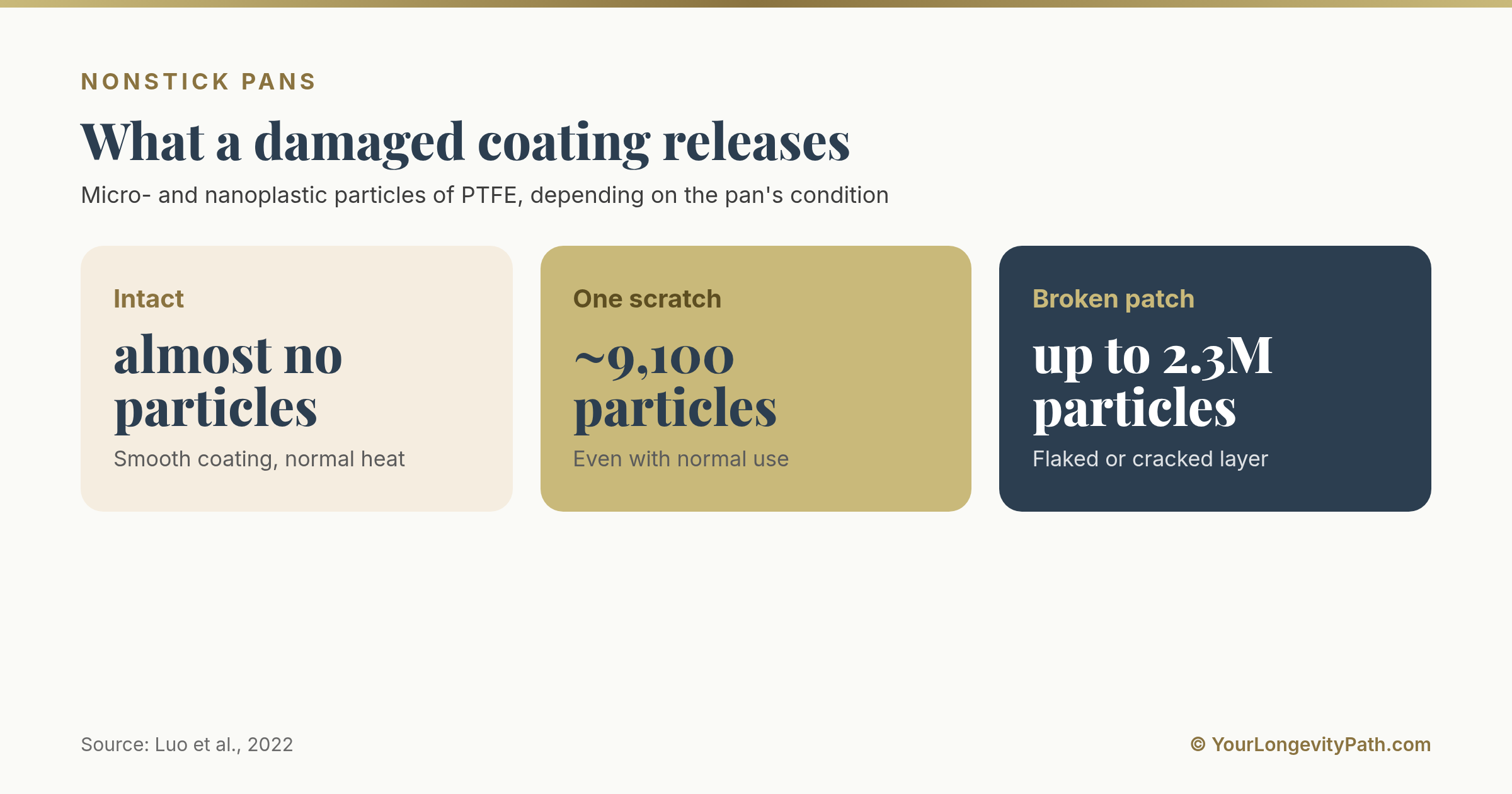 Fig. 1: What a damaged nonstick coating releases.1
What PFAS Do to Your Hormones
Why is this particularly relevant in perimenopause? Because PFAS are considered hormonally active substances, so-called endocrine disruptors.
Two mechanisms are central here. First, the thyroid: PFAS can disrupt thyroid hormone (thyroxine, T4), interfering both with how it is produced and how it is transported in the blood. The review by Coperchini and colleagues (2021) summarizes the evidence that both older and newer PFAS can throw the thyroid off balance. The thyroid controls energy, metabolism, and mood, and it already reacts more sensitively in perimenopause.
Second, the sex hormones: one of the most informative investigations comes from the Study of Women’s Health Across the Nation (SWAN). Ding and colleagues (2020) followed over 1,100 midlife women and found that a higher PFAS blood level was linked to natural menopause arriving about two years earlier on average.
An important note for context: this study measures total PFAS exposure in the blood, not the share that comes from the pan. PFAS come from many sources: water, packaging, textiles, and cookware too. No one can claim that your frying pan brings your menopause forward.
What can be said: as a class, PFAS are hormonally active and associated with earlier menopause, and coated cookware is one of the few PFAS sources you actually control. In a phase when your hormone system is already in transition, that is an avoidable extra burden.
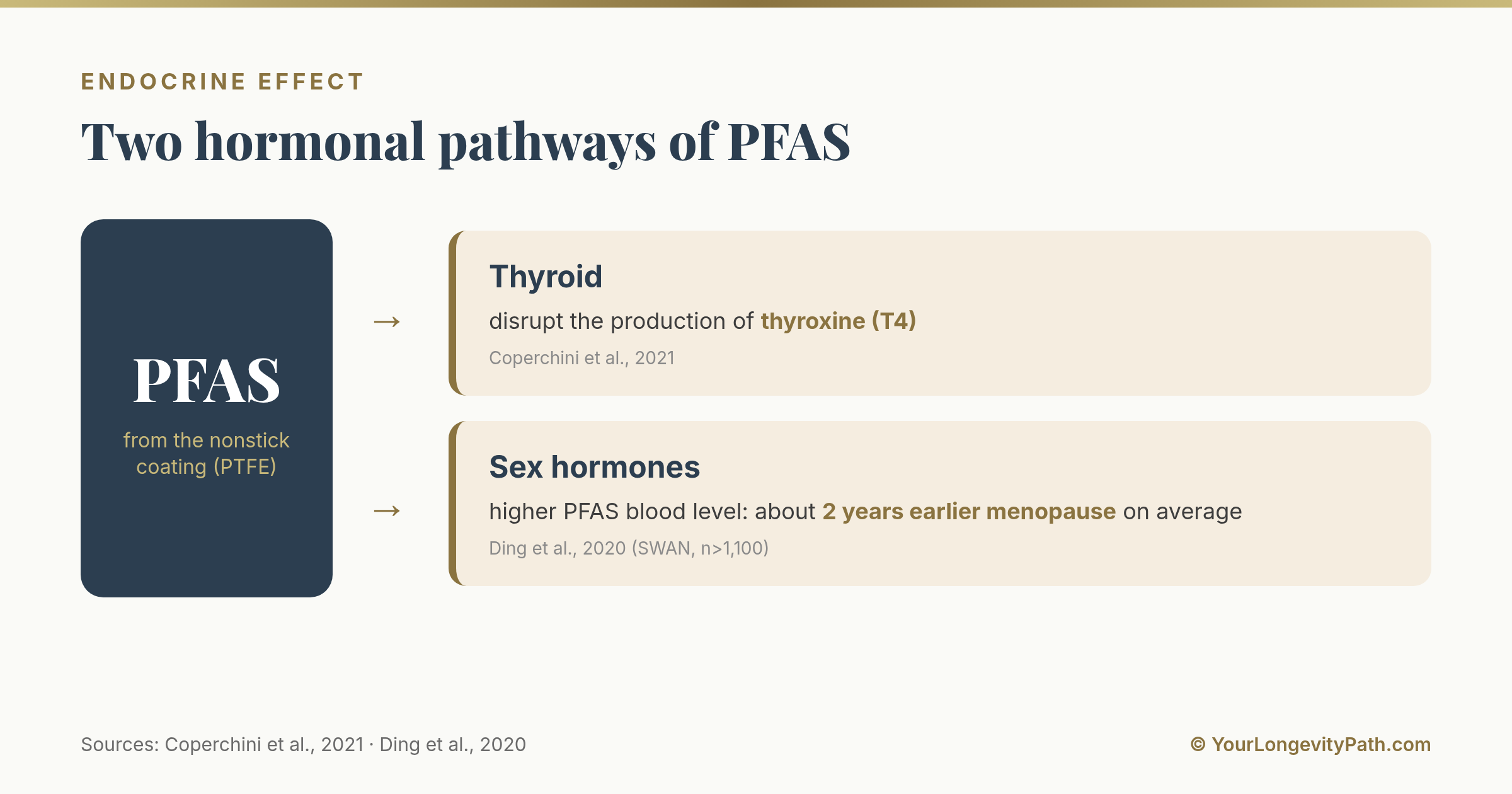 Fig. 2: Two documented hormonal pathways of PFAS.2,3
Cast Iron: No Hormone Issue, but Iron
Cast iron is the counterpart to the coating: a solid, uncoated material that contains no fluorinated substances. What it releases is iron. The classic study by Brittin and Nossaman (1986) showed that in around 90 percent of the foods tested, iron content rose significantly when they were cooked in cast iron rather than in other cookware. The effect was especially pronounced with acidic, moist dishes like tomato sauce.
For many people that is an advantage, especially for women with low iron stores. But there is an honest caveat: anyone with iron overload, for example through hemochromatosis or persistently high ferritin levels, should not take in unlimited extra iron from cast iron. After menopause, iron rises in many women anyway, because the monthly losses stop. If you are unsure, it is worth a look at your blood values, and ferritin is one of them.
In practice that means: cast iron is excellent for searing and braising, and the better it is seasoned, the less it releases. I would not let strongly acidic dishes simmer in it for hours, as that strips the seasoning and drives up iron release.
Stainless Steel: Solid, With a Small Asterisk
Stainless steel is one of the safest and most practical options for everyday use, and here I want to clear up a common misconception. Stainless steel is not a hormone problem.
Its only caveat: during long cooking of acidic dishes, stainless steel can release some nickel and chromium. Kamerud and colleagues (2013) showed that nickel and chromium content in tomato sauce rose significantly after several hours of cooking, most strongly with new and low-grade stainless steel. The important context: the release decreases with use, because a protective oxide layer forms, and it stabilizes after a few cooking cycles.
Nickel is relevant mainly for people with a nickel allergy, in whom it can trigger skin reactions. But it is not an endocrine disruptor. Chromium and iron are even essential trace elements in small amounts. So for your hormones, stainless steel is harmless. If you have a nickel allergy, simply cook long acidic dishes in glass or enamel.
Glass, Enamel, and the Ceramic Fallacy
Solid glass and enamelled cookware (a glass layer fused onto metal) are the most inert options of all. They release virtually nothing into food, tolerate acid without trouble, and have no coating that could wear off. For acidic braised dishes they are ideal.
There is, however, an important mix-up going around. “Ceramic” stands for two very different things:
- Solid glass-ceramic and enamel: inert, durable, harmless.
- Ceramic-coated nonstick pans: a thin sol-gel layer that only superficially resembles solid ceramic. These coatings often lose their nonstick effect within weeks, and manufacturers usually do not disclose their exact composition. “PFAS-free” on the packaging says nothing about the remaining ingredients.
In short: solid ceramic yes, ceramic as a coating with caution and the expectation that it will not last forever.
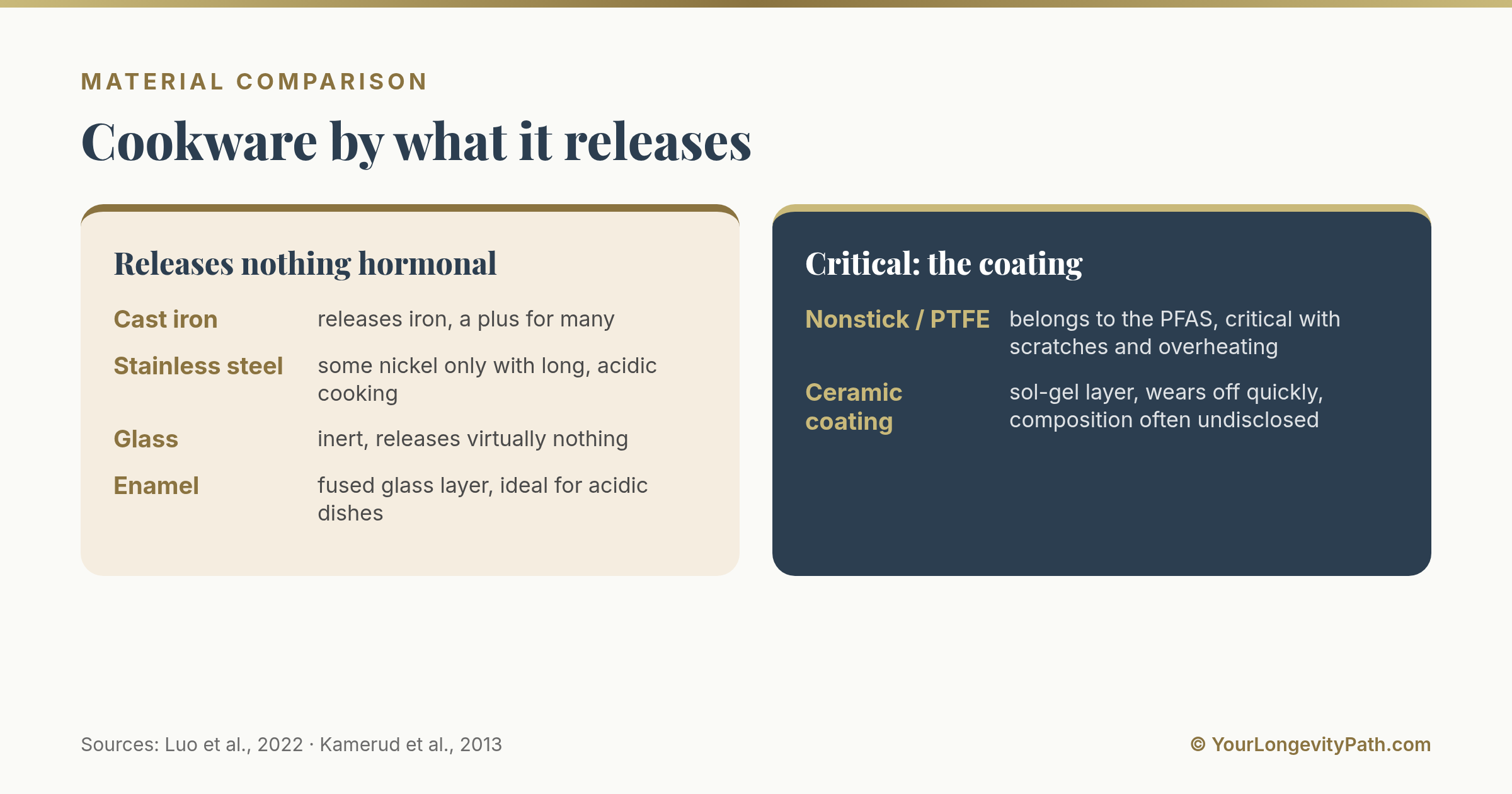 Fig. 3: Cookware compared, sorted by what it releases.
What You Can Do About It
This is not about re-equipping the entire kitchen. A few targeted steps capture most of the effect:
- Retire scratched nonstick pans. As soon as the coating has scratches or flaked spots, the pan belongs in retirement. That is exactly where most particles are released.
- Treat the coating gently. No metal utensils, no harsh scrubbing, and above all never strongly overheat the empty pan. Nonstick is suited to eggs and delicate foods at medium heat, not to hard searing.
- Stainless steel as the all-rounder. For most tasks, stainless steel is a safe default. With a little fat and the right preheat temperature, little sticks here either.
- Cast iron for searing. Well seasoned, ideal for meat, vegetables, and anything that needs a roasted flavor.
- Glass or enamel for acid. Tomato sauce, acidic braises, and anything that simmers for a long time are happiest in glass or enamel.
The Bottom Line
With cookware, the coating is what decides. PTFE belongs to the PFAS, which are considered hormonally active and are linked to earlier menopause. The uncoated materials, cast iron, stainless steel, glass, and enamel, release no such substances, each with its own small profile.
The solution is not to panic and throw out the whole kitchen. It is to replace the scratched nonstick pan, treat the coating gently, and rely on materials that release nothing hormonal for everything else. One avoidable extra burden less for a system that is already under strain in perimenopause.
Birgit
If you want to find out which levers make the biggest difference for you, my coaching for perimenopause provides the right framework, or you can start with a free initial consultation.
Scientific Sources
- Luo Y, Gibson CT, Chuah C, Tang Y, Naidu R, Fang C. Raman imaging for the identification of Teflon microplastics and nanoplastics released from non-stick cookware. Sci Total Environ. 2022;851:158293. doi:10.1016/j.scitotenv.2022.158293
- Ding N, Harlow SD, Randolph JF Jr, Calafat AM, Mukherjee B, Batterman S, Gold EB, Park SK. Associations of perfluoroalkyl substances with incident natural menopause: the Study of Women’s Health Across the Nation. J Clin Endocrinol Metab. 2020;105(9):e3169–e3182. doi:10.1210/clinem/dgaa303 · PMC7418447
- Coperchini F, Croce L, Ricci G, Magri F, Rotondi M, Imbriani M, Chiovato L. Thyroid disrupting effects of old and new generation PFAS. Front Endocrinol. 2021;11:612320. doi:10.3389/fendo.2020.612320
- Kamerud KL, Hobbie KA, Anderson KA. Stainless steel leaches nickel and chromium into foods during cooking. J Agric Food Chem. 2013;61(39):9495–9501. doi:10.1021/jf402400v
- Brittin HC, Nossaman CE. Iron content of food cooked in iron utensils. J Am Diet Assoc. 1986;86(7):897–901. PMID:3722654
- Mesnage R. Environmental Health Is Overlooked in Longevity Research. Antioxidants. 2025;14(4):421.
Are nonstick pans harmful to hormones in perimenopause?
For hormones, what matters is the coating material itself. Nonstick coatings are made of PTFE, a substance from the PFAS family. PFAS are considered hormonally active and have been linked, in a large US long-term study, to natural menopause arriving about two years earlier on average (Ding et al., 2020). An intact pan at normal heat is considered low risk. It becomes critical with scratched or overheated coatings.
Which cookware is the safest?
Uncoated materials without hormonally active substances: cast iron, stainless steel, plus glass and enamelled cookware. Glass and enamel are inert and release virtually nothing. Cast iron releases some iron, which is a benefit for many people. Stainless steel is a solid, safe everyday choice.
Is stainless steel bad for hormones?
No. Stainless steel can release some nickel and chromium during long cooking of acidic dishes, mostly with old or low-grade pans (Kamerud et al., 2013). That matters for people with a nickel allergy, but it is not a hormone issue. Chromium and iron are in fact essential trace elements.
What about ceramic pans?
Here the distinction matters. Solid glass and solid ceramic (glass-ceramic, enamel) are inert and harmless. Ceramic-coated nonstick pans are something different: a sol-gel layer that often loses its nonstick effect quickly and whose exact composition manufacturers usually do not disclose.
Do I need to replace all my pans now?
No. The simplest step is to retire scratched nonstick pans, never overheat the coating, and avoid metal utensils. For most of your cooking, stainless steel, cast iron, and glass or enamel work perfectly well.
This article is for informational purposes only and does not replace professional medical advice, diagnosis, or treatment. If you have health concerns, please consult a qualified healthcare professional.