Environment & Health
Your Cleaning Products Age You as Fast as Cigarettes (Study Says)
7 February 2026 · By Dr. B.J. Huber · 11 min read
Clean Doesn’t Mean Healthy
We clean to keep our homes hygienic. But many conventional cleaning products contain substances that harm our health far more than most people realize. Aggressive products like Cillit Bang, Domestos, or similar industrial-strength cleaners rely on strong acids, chlorine compounds, and synthetic fragrances, all of which release volatile organic compounds (VOCs) with every use. An international research group led by Heidi Salonen reviewed the literature on cleaning products, indoor air quality, and health and classified VOCs from cleaners as a central indoor pollutant, with documented effects on the airways and on systemic inflammation (Salonen et al., 2024).
The problem: these substances don’t just end up in the air. They enter the body through the skin and respiratory system. And once inside, they trigger processes directly linked to accelerated aging.
- Chronic exposure to VOCs from cleaning sprays causes lung function decline equivalent to smoking 10–20 cigarettes per day over 20 years (Svanes et al., 2018).
- Quaternary ammonium compounds (QACs) accumulate in 80% of the population’s blood and measurably impair mitochondrial ATP production and trigger inflammatory cytokine release (Hrubec et al., 2021).
- Phthalates and triclosan disrupt thyroid hormone balance and estrogen/testosterone signaling — pushing the body into chronic stress and accelerating telomere shortening.
Lung Damage Comparable to Smoking
The most comprehensive long-term study on this topic comes from Øistein Svanes and colleagues at the University of Bergen. They followed over 6,000 individuals for 20 years, regularly measuring lung function. The result: women who regularly cleaned at home showed an accelerated decline in lung function comparable to the effect of smoking 10 to 20 cigarettes per day over the same period. The effect was even stronger among professional cleaners (Svanes et al., 2018).
The main culprits: cleaning sprays and chlorine-based products. They chronically irritate the mucous membranes of the airways and promote a sustained inflammatory response that damages lung tissue.
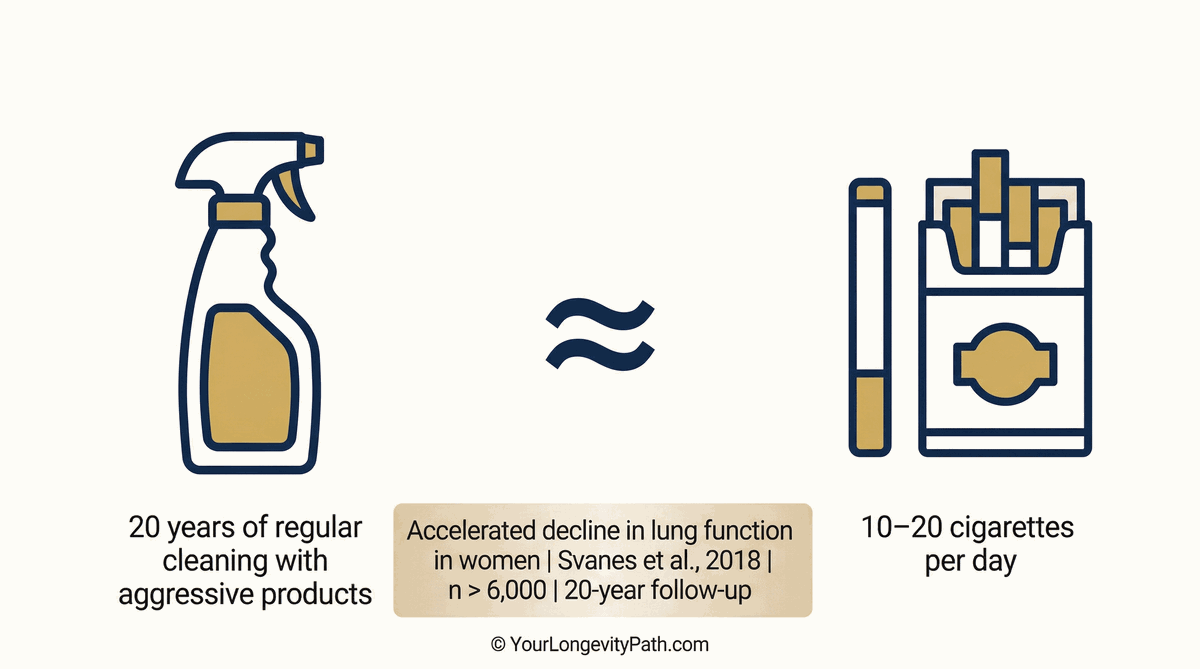 Fig. 1: 20 years of regular cleaning with aggressive products damages lungs comparable to smoking 10–20 cigarettes per day (Svanes et al., 2018, n > 6,000).
What this means for longevity: the lungs are among the organs most affected by aging. Prematurely aged lungs reduce oxygen delivery, limit physical capacity, and raise the risk of chronic diseases like COPD and asthma.
The Hormonal System Under Pressure
Many cleaning products contain endocrine-disrupting substances, known as endocrine disruptors. These include phthalates (in fragrances), triclosan (in antibacterial products), and synthetic musk compounds.
Phthalates interfere with estrogen and testosterone function. They are absorbed through the skin and inhaled air, and are detectable in the urine of over 90 percent of the population. Studies show that phthalate exposure is associated with increased oxidative stress, one of the central drivers of cellular aging and telomere shortening (Hlisnikova et al., 2020).
Triclosan is structurally similar to the thyroid hormone thyroxine (T4) and can disrupt thyroid function. In animal studies, triclosan consistently lowers T4 levels by accelerating the hepatic breakdown of thyroid hormones. In humans, epidemiological studies show a link between triclosan exposure and altered thyroid hormone balance (Homburg et al., 2022). The thyroid controls basal metabolic rate, energy production, and the body’s regenerative capacity. When it is disrupted, virtually every system in the body is affected.
Quaternary Ammonium Compounds: Inflammation and Mitochondrial Damage
Since the COVID-19 pandemic, the use of disinfectants containing quaternary ammonium compounds (QACs) has surged. These substances are found in many all-purpose cleaners and disinfectant sprays.
A landmark study by Hrubec et al. (2021) was the first to detect QACs in human blood, finding measurable concentrations in 80 percent of study participants. The results showed dose-dependent associations between blood QAC levels and three key health markers: elevated inflammatory cytokines, reduced mitochondrial function, and disrupted cholesterol balance.
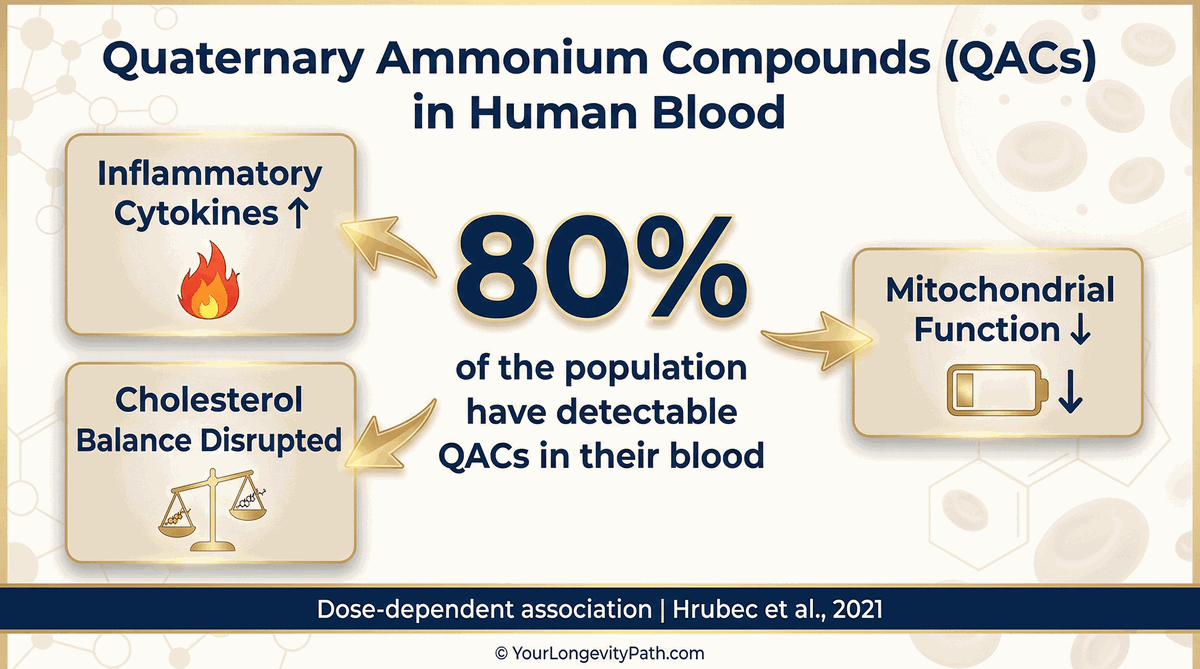 Fig. 2: 80% of the population have quaternary ammonium compounds in their blood — with dose-dependent effects on three key health markers (Hrubec et al., 2021).
What this means for longevity: mitochondria are the power plants of the cell. When their function is impaired, ATP production drops, meaning less cellular energy. At the same time, the production of reactive oxygen species (ROS) increases, which amplifies oxidative stress and accelerates cellular aging. Chronically elevated inflammation, often referred to as inflammaging, is considered one of the primary mechanisms of biological aging.
The Liver: Silent Overload
The liver is the body’s central detoxification organ. Every chemical that enters the bloodstream through the skin, lungs, or gut must be processed by the liver. With regular exposure to household chemicals, this system comes under sustained pressure.
A key molecule is glutathione, the body’s most important intracellular antioxidant. Glutathione is required for phase II detoxification in the liver and protects cells from oxidative stress. When toxic burden is chronically elevated, glutathione reserves are depleted faster than the body can replenish them (Lu, 1999). The result: less protection against free radicals, faster cellular aging, and an increased risk of chronic disease.
Neurotransmitters and Cognitive Function
VOCs from cleaning products can cross the blood-brain barrier and cause neurotoxic effects. Formaldehyde, which is released by some cleaning products, is directly neurotoxic and can cause headaches, difficulty concentrating, and memory problems.
Beyond that, thyroid hormone disruption caused by chemicals like triclosan indirectly affects neurotransmitter balance. The thyroid regulates, among other things, the synthesis of serotonin and dopamine. When T3 and T4 levels are shifted by exogenous substances, it can affect mood, cognition, and sleep quality — all factors directly tied to longevity.
What Specifically Accelerates Cellular Aging?
The mechanisms through which cleaning products accelerate biological aging can be grouped into six key pathways. These overlap significantly with the core mechanisms described in longevity research:
Oxidative stress. VOCs, QACs, and phthalates promote the production of reactive oxygen species, which damage DNA, proteins, and lipids. Oxidative stress is one of the best-researched drivers of telomere shortening and epigenetic aging (Mesnage, 2025).
Chronic inflammation. QACs in the blood raise inflammatory cytokines. Chronic low-grade inflammation (inflammaging) accelerates the aging process and increases the risk of cardiovascular disease, diabetes, and neurodegenerative conditions.
Mitochondrial dysfunction. QACs impair the mitochondrial respiratory chain and reduce ATP production. Damaged mitochondria release more ROS, creating a vicious cycle of damage and aging.
Endocrine disruption. Phthalates and triclosan disturb hormonal balance. The consequences range from thyroid problems and fertility issues to an altered stress response through cortisol dysregulation.
Glutathione depletion. Chronic toxic burden exhausts the body’s antioxidant reserves and weakens the liver’s detoxification capacity.
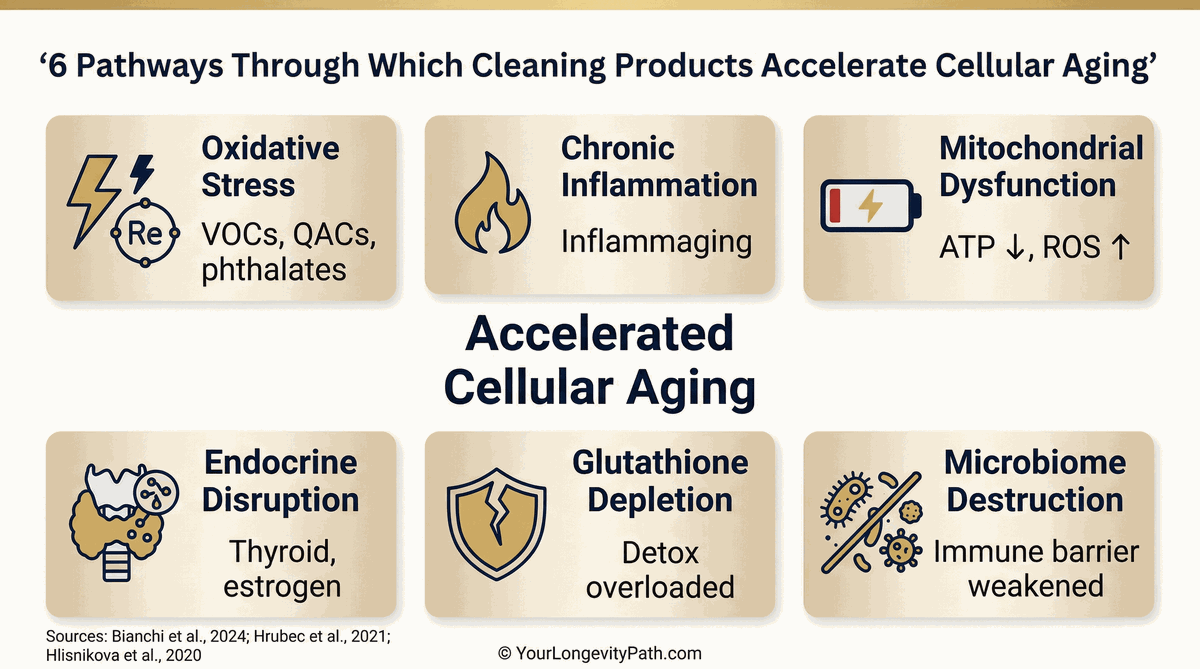 Fig. 3: Six mechanisms through which household chemicals accelerate biological aging (Mesnage, 2025; Hrubec et al., 2021; Hlisnikova et al., 2020).
Microbiome Destruction. A cutting-edge field of longevity research reveals that aggressive cleaning products don’t just obliterate the indoor microbiome (the healthy, protective bacteria in our environment). Through skin contact and inhalation, they also damage our skin and lung microbiomes. This microbial ecosystem is our very first line of immune defense. A depleted microbiome makes us more susceptible to pathogens and directly fuels systemic inflammation at the source.
Alternatives: Clean Without Chemicals
The good news: most household cleaning tasks don’t require aggressive chemicals.
Vinegar and baking soda. The classics. Diluted vinegar is antibacterial and dissolves limescale. Baking soda works well as an abrasive cleaner. Together, they cover most daily cleaning needs without releasing VOCs.
Traditional plant-based soaps. Soap made from natural plant oils cleans effectively without synthetic fragrances or preservatives.
Citric acid. Effective against limescale and as a natural degreaser. Especially useful for kitchens and bathrooms.
Microfiber cloths. Purely physical cleaning: microfiber cloths remove bacteria and dirt through their structure alone, without any chemicals. Studies show that when used correctly, they can remove up to 99 percent of bacteria from surfaces.
Effective Microorganisms (EM) as Cleaning Products
An increasingly popular approach is cleaning products based on Effective Microorganisms (EM). EM is a blend of lactic acid bacteria, photosynthetic bacteria, and yeasts, originally developed in the 1980s by Japanese agricultural scientist Teruo Higa.
The principle: instead of killing pathogenic germs with aggressive chemicals, the introduced microorganisms create a positive microbial environment and outcompete harmful bacteria. EM-based cleaners release no VOCs and contain no endocrine-disrupting substances.
What does the science say? A 2025 study published in the Journal of Surfactants and Detergents tested five commercially available EM cleaners. The results were nuanced: three of five EM products cleaned about as well as or slightly less effectively than conventional reference products. They showed some antimicrobial effects but did not achieve superior cleaning performance. The researchers also found that EM did not lead to lasting surface colonization (Zinn, 2025).
The takeaway: EM cleaners are not miracle products in terms of cleaning power. But they offer a decisive advantage from a longevity perspective: they don’t burden the body with the chemicals that demonstrably disrupt hormones, damage mitochondria, and promote inflammation. For a normal household, where you aren’t sterilizing an operating room, that is a worthwhile trade.
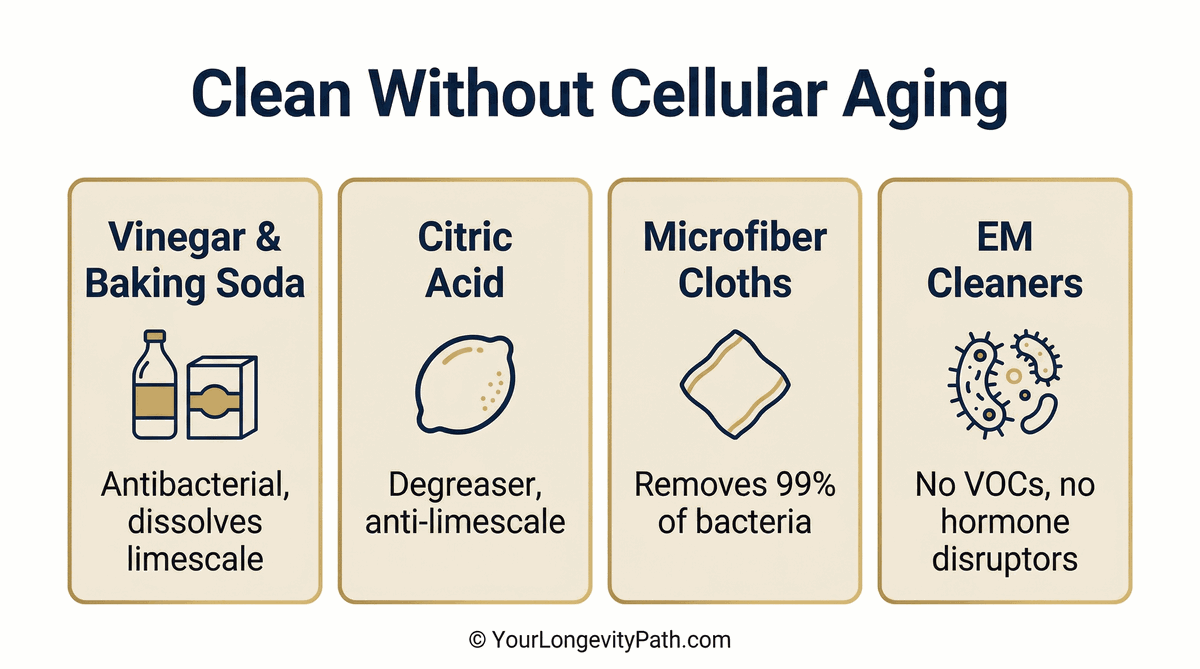 Fig. 4: Four natural alternatives for household cleaning — no VOCs, no hormone disruptors, no accelerated cellular aging.
What You Can Do About It
If you want to reduce your chemical exposure from cleaning products, these steps are a good starting point:
- Replace spray cleaners with liquids. Sprays release chemicals as aerosols that penetrate deep into the lungs. Applying liquid cleaners to a cloth is significantly gentler.
- Read the ingredients. Products with “parfum” or “fragrance” almost always contain phthalates. Chlorine-based cleaners (sodium hypochlorite) release toxic compounds on contact with organic material.
- Ventilate while cleaning. Open windows significantly reduce VOC concentrations in indoor air.
- Try natural alternatives. Vinegar, baking soda, citric acid, and microfiber cloths cover most household cleaning needs.
- Give EM-based cleaners a try. They are free of the critical substances and a solid option for everyday cleaning.
The Bottom Line
Cleaning products are an underestimated factor in longevity. The research clearly shows that regular contact with conventional cleaning chemicals damages the lungs, disrupts hormones, impairs mitochondria, and overwhelms the body’s detoxification systems. All of these are mechanisms that accelerate biological aging. In fact, your environment — from cleaning products to office temperature — plays as significant a role in your healthspan as the habits you deliberately choose.
The solution is not to clean less, but to clean differently. With natural alternatives and a more mindful approach to cleaning products, you can significantly reduce your toxic burden without sacrificing hygiene.
Environmental factors are only part of what acts on your cells. We work out the full picture in my longevity coaching, or you can start with a free initial consultation.
Scientific Sources
- Salonen, H., Salthammer, T., Castagnoli, E., Täubel, M., & Morawska, L. (2024). Cleaning products: Their chemistry, effects on indoor air quality, and implications for human health. Environment International, 190, 108836.
- Svanes, Ø. et al. (2018). Cleaning at Home and at Work in Relation to Lung Function Decline and Airway Obstruction. American Journal of Respiratory and Critical Care Medicine, 197(9), 1157–1163.
- Hrubec, T.C. et al. (2021). Altered toxicological endpoints in humans from common quaternary ammonium compound disinfectant exposure. Toxicology Reports, 8, 646–656.
- Hlisníková, H. et al. (2020). Effects and Mechanisms of Phthalates’ Action on Reproductive Processes and Reproductive Health: A Literature Review. International Journal of Environmental Research and Public Health, 17(18), 6811.
- Homburg, M., Rasmussen, Å. K., Ramhøj, L., & Feldt-Rasmussen, U. (2022). The Influence of Triclosan on the Thyroid Hormone System in Humans — A Systematic Review. Frontiers in Endocrinology, 13, 883827.
- Lu, S.C. (1999). Regulation of hepatic glutathione synthesis: current concepts and controversies. FASEB Journal, 13(10), 1169–1183.
- Mesnage, R. (2025). Environmental Health Is Overlooked in Longevity Research. Antioxidants, 14(4), 421.
- Zinn, M. (2025). How Effective Are Cleaners With “Effective Microorganisms”? Journal of Surfactants and Detergents, Early View.
Are cleaning products really as harmful as cigarettes?
For lungs, yes: 20 years of regular cleaning with conventional products causes the same lung damage as 10 to 20 cigarettes per day, according to a Norwegian study.
Which cleaning product ingredients are most problematic?
Quaternary ammonium compounds, phthalates, triclosan, and volatile organic compounds (VOCs). They disrupt mitochondria, hormones, and increase oxidative stress.
How quickly does the body recover after switching to natural cleaners?
Respiratory symptom improvements often appear within weeks. Reducing the systemic chemical burden in the blood can take several months of consistent avoidance.
This article is for informational purposes only and does not replace professional medical advice, diagnosis, or treatment. If you have health concerns, please consult a qualified healthcare professional.