Stress
Cortisol belly in perimenopause: what's true, what helps
25 August 2026 · By Dr. B.J. Huber · 12 min read
Cortisol belly, that is the current name for the fat around the midsection that creeps up over the years. On social media you read that stress and too much cortisol are to blame, and that the belly disappears the moment you lower your cortisol. It sounds plausible, especially when the belly grows around 40 even though you are doing nothing differently. But is it true?
There is something to it. Most of this explanation, though, is overblown. Belly fat does react more sensitively to cortisol than other fat, and chronically very high cortisol does produce a typical belly. But in the everyday stress most people face, blood cortisol is not raised at all, and the belly in midlife mostly has other drivers. This article sorts out what the research really shows, where cortisol comes into it and what makes the belly grow most in this stage of life.
- Belly fat around the organs carries many cortisol docking sites and an enzyme that reproduces cortisol on the spot. That is why this fat reacts so strongly to cortisol.
- In ordinary overweight, blood cortisol is usually not raised.5 The link runs both ways, because belly fat itself drives cortisol activity.
- The belly in midlife comes mainly from falling oestrogen, insulin regulation, sleep and muscle mass.12 Cortisol is one factor, not the master switch.
What is the cortisol belly, anyway?
The term comes from social media and refers to the fat that gathers around the midsection and supposedly comes from stress and cortisol alone. What is usually meant is visceral fat, the fat deep in the abdomen around the organs, as opposed to the fat directly under the skin.
This distinction matters, because visceral fat works differently. It is metabolically active, releases signalling molecules and is linked to a higher risk of cardiovascular disease and type 2 diabetes. A growing waistline is therefore a health matter, not a question of looks. That is why it is worth separating the causes cleanly, instead of pinning them on a single hormone.
Can cortisol really cause belly fat?
Yes, in the extreme case clearly. With chronically very high cortisol the body deposits fat specifically around the belly. Cushing’s syndrome shows this, a disorder with strongly raised cortisol that comes with central fat, a round face and metabolic disturbances.7 This is the proof that cortisol can drive this fat pattern.
The reason lies in the fat tissue itself. Visceral fat can reactivate cortisol on the spot: an enzyme called 11β-HSD1 converts inactive cortisone back into active cortisol right inside the belly fat. So the fat makes part of its own cortisol. As early as 1997, a paper in the Lancet asked whether the belly was therefore a kind of home-made Cushing’s in the belly fat.1
The clearest demonstration comes from an animal study. Researchers engineered mice so that only their fat tissue produced more active cortisol, nothing else. These mice developed the expected pattern: more belly fat, high blood sugar and unfavourable blood lipids, and in a follow-up study also raised blood pressure.2,3 In humans there is a matching picture, because in severely obese people this enzyme is more active in visceral fat and linked to metabolic disturbances.4
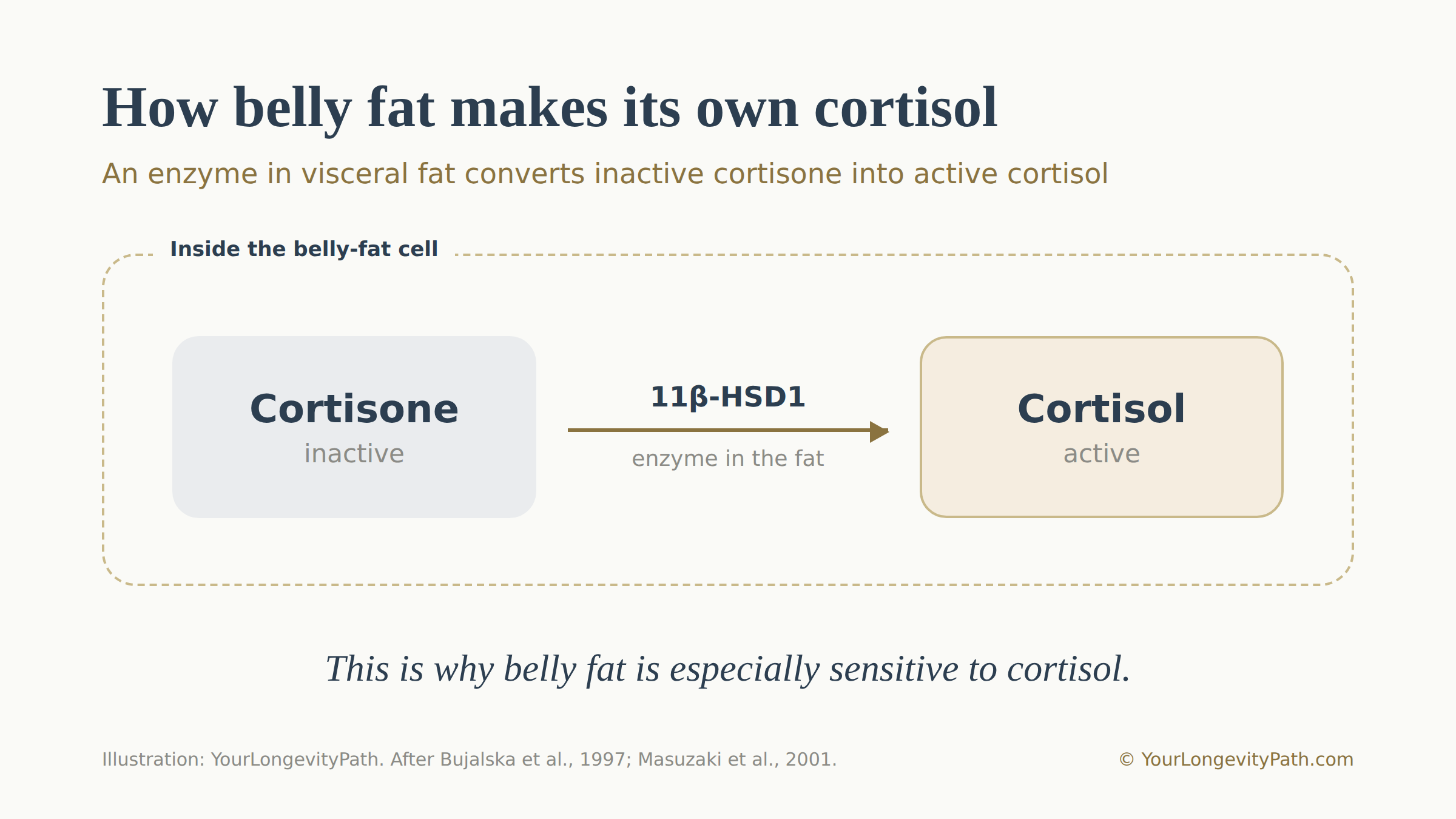 Fig. 1: In visceral fat, the enzyme 11β-HSD1 converts inactive cortisone into active cortisol.1,2
Why the cortisol belly still falls short for most people
Because in ordinary overweight, blood cortisol is not raised at all. In a much-cited study, overweight men even had lower blood cortisol than lean men, while the amount of cortisol breakdown products in the urine was higher.5 So cortisol was not raised in the blood; the turnover was happening in the tissue. The story plays out locally, not as a high value you could simply measure and lower.
On top of this comes the direction of the link. More visceral fat itself drives cortisol activity through the enzyme 11β-HSD1. Part of the link therefore runs the other way, because the fat drives the cortisol, not only the cortisol the fat. A critical review titled “has it promised too much?” concluded that the early enthusiasm for 11β-HSD1 as an explanation for overweight promised more than the data support.6
And the everyday stress most people face is far below what happens in Cushing’s syndrome. It raises cortisol moderately and temporarily. That is a different state from a chronically strongly raised value. This is why the popular promises do not hold: a cortisol detox does not shrink a belly, and the term adrenal fatigue has no scientific basis.13
What really makes the belly grow in midlife
Above all four things, and cortisol is not first in line. The belly in midlife arises from the interplay of hormones, muscle, blood sugar and sleep, with falling oestrogen as one important driver in women.
The most important factor in women is the drop in oestrogen in perimenopause. As long as there is plenty of oestrogen, fat is stored more on the hips and thighs. When it falls, storage shifts to the midsection. A study that followed 156 women over 4 years through the transition into menopause found that visceral fat increased with this transition and energy expenditure fell, independent of ageing alone.12
Then there is muscle mass. It declines slowly from midlife on, and less muscle means a lower resting metabolic rate and more sensitive blood-sugar regulation. When blood sugar swings more, it becomes easier for the body to store fat around the belly. How insulin resistance in perimenopause develops, I describe in a separate article. The fourth factor is sleep, which in this phase becomes more easily disrupted anyway through the drop in progesterone and further disturbs appetite and blood-sugar regulation.
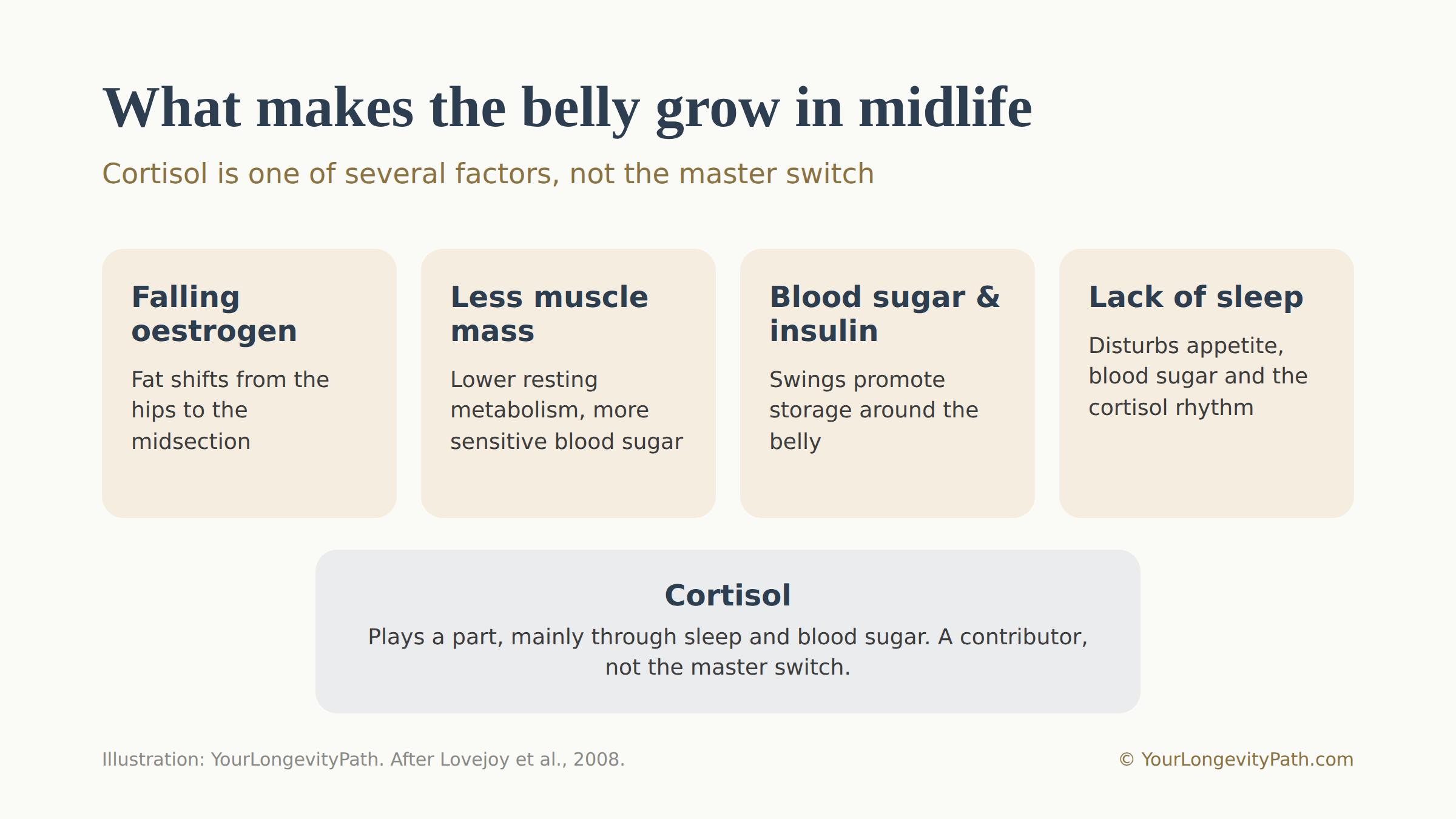 Fig. 2: The belly in midlife arises from several factors. Cortisol is one of them, not the most important.
Where cortisol really does come into it
Here, with a sense of proportion. Chronic stress and a shifted cortisol rhythm can promote belly fat, mainly by indirect routes. The Swedish researcher Per Björntorp described early on how recurring stress can shift fat distribution towards the belly via the cortisol axis.8
Even in people without disease there is a link, when cortisol is measured over a longer period. In hair, cortisol is deposited over weeks and so reflects the load over a longer stretch of time. In an analysis of 2,527 people, a higher hair cortisol level went together with a larger waist circumference and a higher BMI.9 A systematic review confirms that a disturbed stress axis and overweight are linked.10
The decisive question is the route it takes. Chronic stress worsens sleep, raises cortisol in the evening when it should be falling, makes blood sugar swing more and leads many people to eat more under pressure.11 Through this chain, stress ends up at the belly, less through a single high reading. How closely exhaustion and the stress axis in perimenopause are linked, I describe in a separate article. The effect is real and worth attention, but it is moderate and adds to the larger factors.
What helps against the cortisol belly?
The most effective starting points are the same, whether it is mainly the hormones, the blood sugar or the stress that stands out for you. They work on several factors at once and need no cortisol test.
1. Put strength training before cardio. Muscle is the strongest starting point against the midlife belly. It raises the resting metabolic rate and improves blood-sugar regulation, which slows fat storage around the belly. Two or three short strength sessions a week do more here than long cardio sessions.
2. Smooth out blood sugar. Meals with protein and fibre keep blood sugar steadier than a purely carbohydrate-rich diet. Calmer blood sugar lowers the cortisol spikes and the signals that store fat around the belly.
3. Protect sleep. Lack of sleep disturbs appetite, blood sugar and the cortisol rhythm at once. Consistent times, a cool, dark bedroom and caffeine only in the morning help the system wind down at night. For how sleep in perimenopause changes, see a separate article.
4. Support the cortisol rhythm. Daylight in the morning, calm breathing and deliberate breaks sharpen the contrast between an alert morning and a calm evening. That lowers evening cortisol above all, which co-determines sleep and fat storage.
5. Keep an eye on alcohol and late coffee. Both raise evening cortisol and disturb sleep. Anyone wanting to tackle the belly often gets further here than with any special product.
6. Stay realistic. No value shifts overnight, and a flat belly is not the goal. It is about less visceral fat and a steadier metabolism, and that builds up over weeks from the combination of these points.
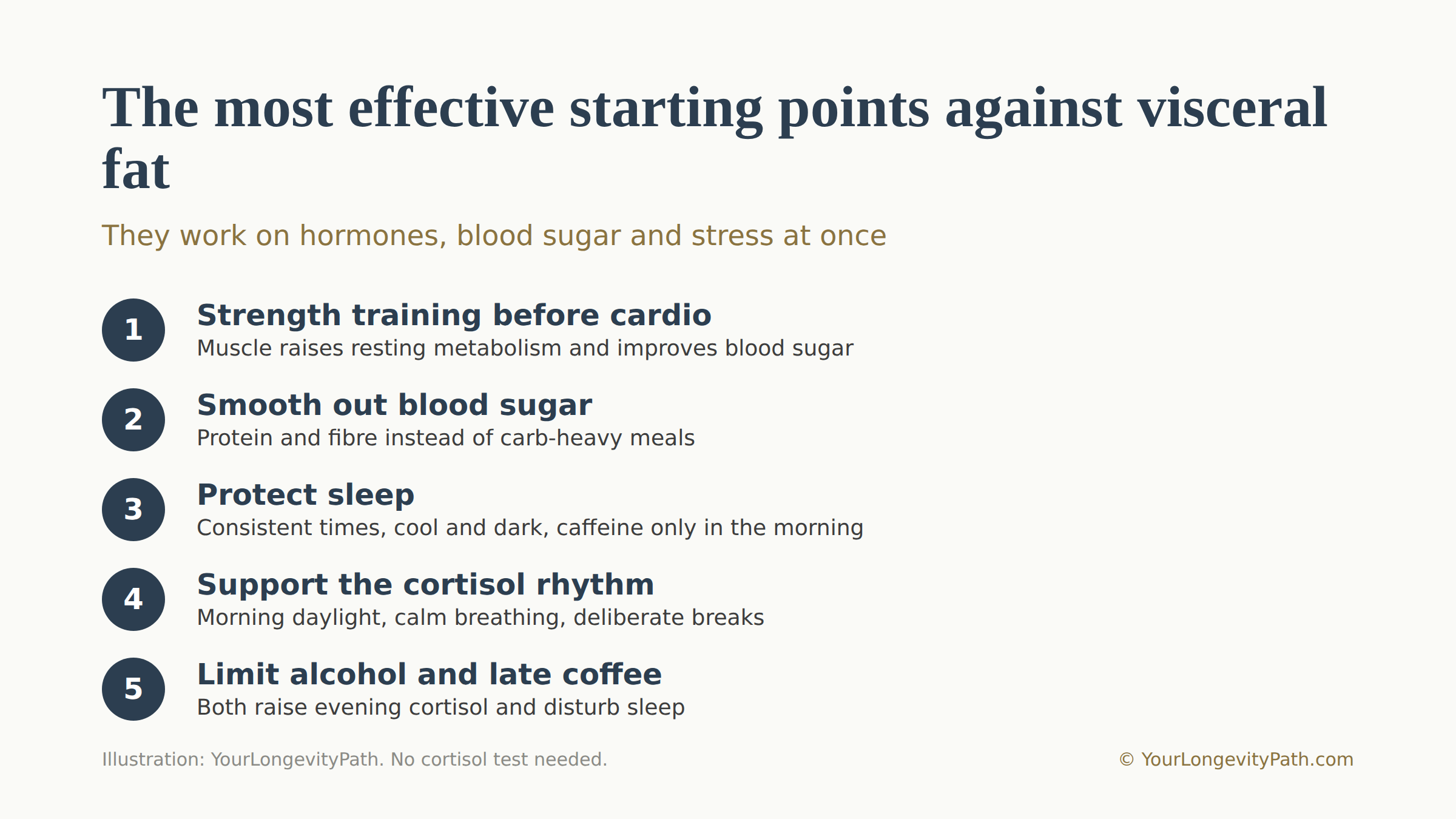 Fig. 3: The most effective starting points work on several drivers at once.
When the cortisol belly is a case for the doctor
Rarely, but it happens. When several signs come together, strongly raised cortisol really can be behind it, and then it belongs in medical hands. Signs are a rapid increase around the trunk while the arms and legs grow thinner, broad purple stretch marks, easy bruising, a round, reddened face, and newly raised blood pressure or blood sugar.
This combination is the one case where the cortisol belly literally applies. It is rare, and the vast majority of people with a bit more belly do not have Cushing’s syndrome. But that is why it is worth knowing the signs. As a coach I make sense of the overall picture; assessing such a suspicion belongs in medical hands.
Where to go from here
The cortisol belly has a kernel of truth and is still mostly overblown. Belly fat does react to cortisol, and chronically very high cortisol does produce this belly. In most people, though, blood cortisol is not raised, and the belly in midlife comes mainly from falling oestrogen, blood sugar, muscle mass and sleep. Cortisol plays a part, above all through sleep and the daily rhythm.
The effective starting points are in your hands and work on several drivers at once. A cortisol detox is not one of them.
If you want to make sense of your overall picture across hormones, blood sugar, sleep and stress, that is my work. In my hormone coaching for perimenopause we look at which levers fit your daily life, always within what coaching can do and what belongs in medical hands. A free initial consultation is the simplest start. It is without obligation and takes place online.
Scientific sources
-
Bujalska, I. J., Kumar, S., & Stewart, P. M. (1997). Does central obesity reflect “Cushing’s disease of the omentum”? The Lancet, 349(9060), 1210–1213. doi: 10.1016/S0140-6736(96)11222-8
-
Masuzaki, H., Paterson, J., Shinyama, H., Morton, N. M., Mullins, J. J., Seckl, J. R., & Flier, J. S. (2001). A transgenic model of visceral obesity and the metabolic syndrome. Science, 294(5549), 2166–2170. doi: 10.1126/science.1066285
-
Masuzaki, H., Yamamoto, H., Kenyon, C. J., et al. (2003). Transgenic amplification of glucocorticoid action in adipose tissue causes high blood pressure in mice. Journal of Clinical Investigation, 112(1), 83–90. doi: 10.1172/JCI17845
-
Baudrand, R., Carvajal, C. A., Riquelme, A., et al. (2010). Overexpression of 11beta-hydroxysteroid dehydrogenase type 1 in hepatic and visceral adipose tissue is associated with metabolic disorders in morbidly obese patients. Obesity Surgery, 20(1), 77–83. doi: 10.1007/s11695-009-9937-0
-
Rask, E., Olsson, T., Söderberg, S., et al. (2001). Tissue-specific dysregulation of cortisol metabolism in human obesity. Journal of Clinical Endocrinology & Metabolism, 86(3), 1418–1421. doi: 10.1210/jcem.86.3.7453
-
Stomby, A., Andrew, R., Walker, B. R., & Olsson, T. (2014). Tissue-specific dysregulation of cortisol regeneration by 11βHSD1 in obesity: has it promised too much? Diabetologia, 57(6), 1100–1110. doi: 10.1007/s00125-014-3228-6
-
Lacroix, A., Feelders, R. A., Stratakis, C. A., & Nieman, L. K. (2015). Cushing’s syndrome. The Lancet, 386(9996), 913–927. doi: 10.1016/S0140-6736(14)61375-1
-
Björntorp, P. (2001). Do stress reactions cause abdominal obesity and comorbidities? Obesity Reviews, 2(2), 73–86. doi: 10.1046/j.1467-789X.2001.00027.x
-
Jackson, S. E., Kirschbaum, C., & Steptoe, A. (2017). Hair cortisol and adiposity in a population-based sample of 2,527 men and women aged 54 to 87 years. Obesity, 25(3), 539–544. doi: 10.1002/oby.21733
-
Incollingo Rodriguez, A. C., Epel, E. S., White, M. L., et al. (2015). Hypothalamic-pituitary-adrenal axis dysregulation and cortisol activity in obesity: A systematic review. Psychoneuroendocrinology, 62, 301–318. doi: 10.1016/j.psyneuen.2015.08.014
-
Lengton, R., Schoenmakers, M., Penninx, B. W. J. H., Boon, M. R., & van Rossum, E. F. C. (2025). Glucocorticoids and HPA axis regulation in the stress-obesity connection: A comprehensive overview. Clinical Obesity, 15(2), e12725. doi: 10.1111/cob.12725
-
Lovejoy, J. C., Champagne, C. M., de Jonge, L., Xie, H., & Smith, S. R. (2008). Increased visceral fat and decreased energy expenditure during the menopausal transition. International Journal of Obesity, 32(6), 949–958. doi: 10.1038/ijo.2008.25
-
Cadegiani, F. A., & Kater, C. E. (2016). Adrenal fatigue does not exist: a systematic review. BMC Endocrine Disorders, 16, 48. doi: 10.1186/s12902-016-0128-4
Is the cortisol belly real?
Partly. Chronically very high cortisol does deposit fat specifically around the belly, as the disease Cushing's syndrome shows. With everyday stress, though, blood cortisol is usually not raised, and the belly in midlife mostly has other causes.
Does stress cause belly fat?
Chronic stress can promote belly fat, mainly through poor sleep, swinging blood sugar and more eating under pressure. The effect is real but moderate. A single cortisol reading does not explain a belly, and a cortisol detox does not make it disappear.
Why does the belly grow in menopause?
As oestrogen falls, fat shifts from the hips to the midsection, independent of ageing alone. Add to that less muscle mass, more sensitive blood-sugar regulation and poorer sleep. Cortisol is one of several factors, not the master switch.
This article is for informational purposes only and does not replace professional medical advice, diagnosis, or treatment. If you have health concerns, please consult a qualified healthcare professional.