ADHD
ADHD and Cortisol: Why Menopause Makes It Worse
30 September 2026 · By Dr. B.J. Huber · 13 min read
You wake up and take ages to get going. Without coffee, not much happens. In the afternoon your concentration drops. And in the evening, when you finally want to sleep, your mind keeps racing. Sound familiar?
Behind this is often your cortisol. The hormone wakes you up in the morning and falls in the evening so you can sleep. In studies, it was lower in the morning in people with ADHD. Around menopause, poor sleep can push it up further in the evening. The curve is then too flat in the morning and too high in the evening.
You can influence this curve yourself, with light, sleep and the right timing for your coffee. Do you want to
- get going more easily in the morning?
- catch the afternoon slump?
- switch off better in the evening?
I’ll show you how in this article.
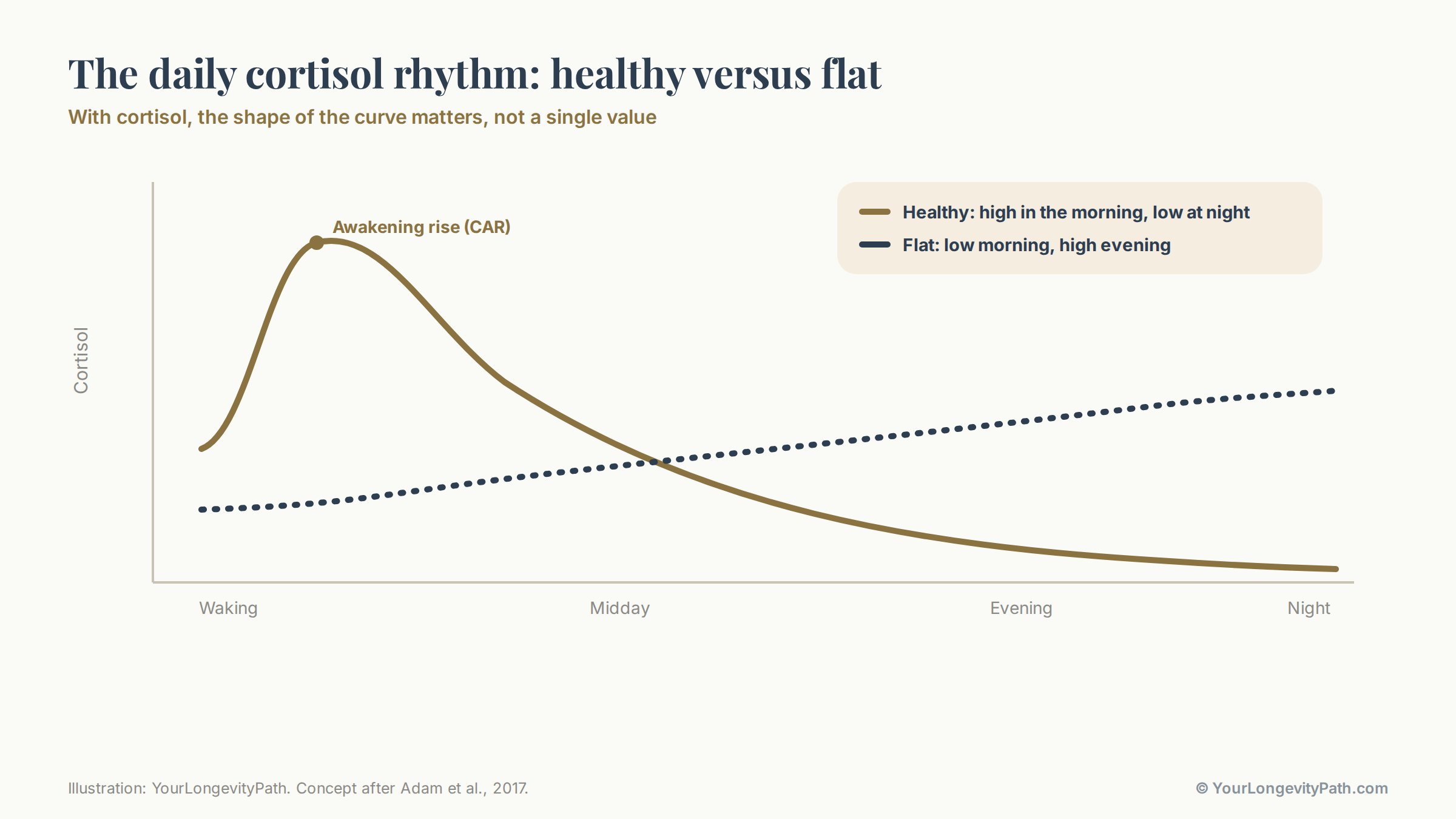 Fig. 1: Healthy and flat cortisol curve across the day2
- Tired in the morning, wide awake at night? Behind this is often a flat cortisol curve, too little in the morning, too much in the evening.
- With ADHD, there is often too little cortisol in the morning. That is the result of an analysis of 19 studies, mostly in children and teenagers.
- Around menopause, poor sleep adds to it. A single night without sleep raises cortisol the next evening.
- Three routines have the best support in studies. I’ll show you how to build these promising routines into your day.
- A single cortisol value says little. And an analysis of 58 studies found no evidence for “adrenal fatigue”.
Do people with ADHD have low or high cortisol?
Rather low. With ADHD, cortisol is lower on average. That is the result of an analysis of 19 studies with more than 900 children and teenagers with ADHD. Their cortisol was lower in the morning, at rest and across the whole day than in peers without ADHD.3 So the day starts with a weaker wake-up signal.
For adults, and especially for women, there is much less data. In a study of adults with ADHD, the rise in cortisol after waking was normal.7 Whether cortisol rises more under stress than in other people is unclear. One study found this, a second did not, and an analysis of twelve studies found no clear link.4–6
Why does this matter? Cortisol acts on the front part of the brain, right behind the forehead. This area controls attention, planning and impulse control, and it is already sensitive in ADHD. Ongoing stress weakens it.8 Whether low morning cortisol in ADHD has the same effect has not been studied.
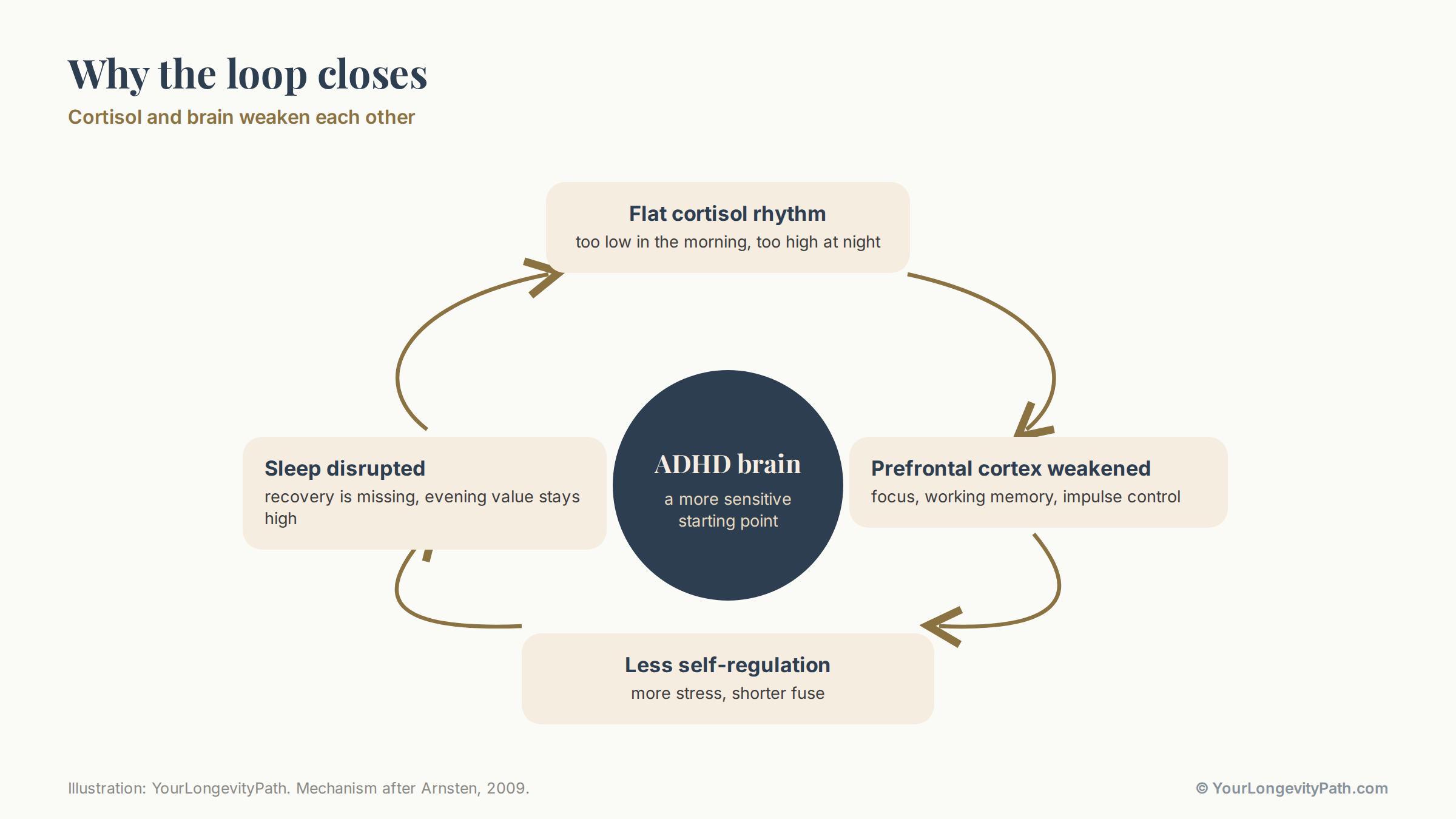 Fig. 2: How stress and the area behind the forehead can weaken each other. Own illustration based on Arnsten, 2009.
In everyday life, many women with ADHD describe the same thing. In the morning there is no drive, and it takes coffee, time pressure or stress to get going. In the afternoon comes a slump. In the evening the body is tired, but the mind is awake. In my work as a scientist and coach, I see this pattern again and again. It is not a diagnosis, though.
What is a flat cortisol curve?
Flat means that cortisol rises too little in the morning and falls too little in the evening. Healthy is a big difference between morning and evening.
Normally, cortisol rises by half to three quarters in the first half hour after waking.1 Experts call this surge the cortisol awakening response, or CAR. It wakes you up and sets your internal clock. In the evening cortisol then falls so you can sleep.
An analysis of 80 studies shows how important this difference is. People with a flat curve had poorer health outcomes in 10 of 12 areas studied. The link was clearest for inflammation.2
Why does menopause make it worse?
Mainly through sleep. In perimenopause, the years before the last period, progesterone often falls first. Progesterone has a calming effect and helps you sleep. When it drops, sleep becomes lighter, and many women wake up at night. Oestrogen and progesterone also act directly on how cortisol is regulated.9
Lack of sleep raises cortisol in the evening. A lab study with young men shows this. After a night with only four hours of sleep, the evening value was a good third higher. After a night with no sleep at all, it was almost half higher.10 So cortisol falls less in the evening, and the curve becomes flatter.
Does cortisol rise in all women around menopause? No. An American study measured overnight cortisol in the urine of 132 women over several years. On average it was highest when periods were already being skipped. It was closely linked to hormone levels, and hardly to age alone.11 A Swiss study followed women for 13 months. It found large differences from woman to woman, but no consistent rise.12
For women with ADHD, there is something else. Falling oestrogen also weakens dopamine, the messenger for drive and attention. You can read more about this in ADHD symptoms in perimenopause.
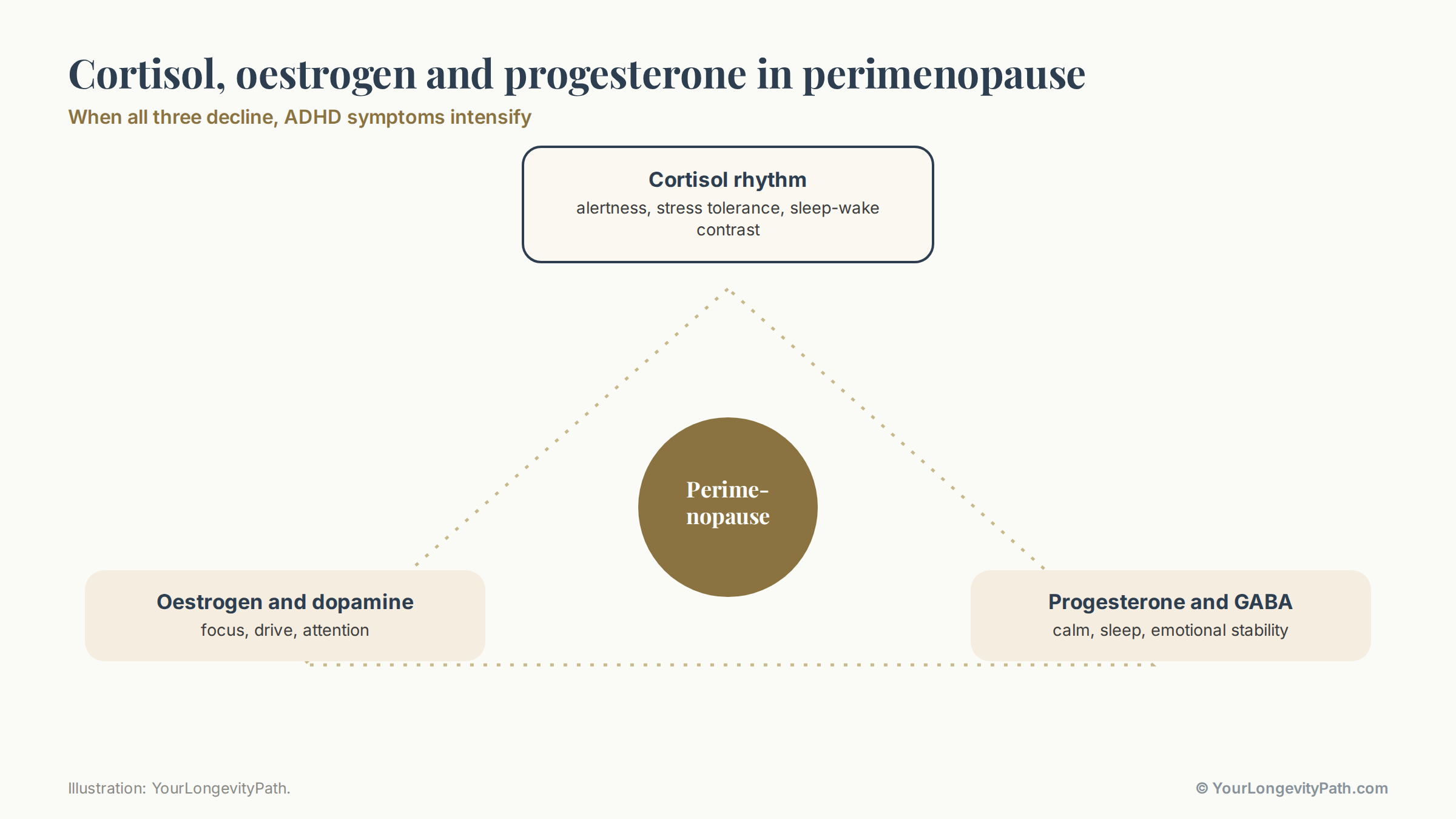 Fig. 3: In perimenopause, dopamine, calming GABA and the cortisol curve all change at the same time.
Should you test your cortisol?
Only as a daily profile. A single value in the morning says little, because cortisol fluctuates a lot. A saliva profile with several measurements across the day shows the shape of the curve. Often, though, the result changes little about what you can do. The steps below help either way.
Do you take oestrogen as a tablet, for example as hormone therapy or with the pill? Then cortisol in the blood is often raised, without you really having too much of it. With oestrogen as a gel or patch this does not happen, and saliva shows no difference either.13 So always mention which hormones you take when you have a cortisol test.
And “adrenal fatigue”? There is no scientific evidence for it. An analysis of 58 studies found no basis for the idea that exhausted adrenal glands make too little cortisol.17 The tiredness is still real. More likely causes are poor sleep, the hormonal change, or an iron or thyroid problem. Your doctor can check this.
How to balance your cortisol rhythm with ADHD
The goal is a bigger difference between morning and evening. This applies with or without an ADHD diagnosis. The first three steps have the best support in studies. The others help on top.
1. Get daylight in the morning. Bright light shortly after waking boosts the morning rise in cortisol. In a study with 14 men, one hour of light at 800 lux raised cortisol by a good third.14 Outdoors you get that even on cloudy days, while normal room light is much weaker. If you can’t get outside, a daylight lamp helps. Look for a light therapy lamp with 10,000 lux. How close you need to sit depends on the model: small lamps often only reach that at 15 centimetres, large ones also at 45. Follow the distance and duration in the instructions, usually 20 to 30 minutes in the morning. The light works through your eyes, so the lamp goes in front of you. You don’t need to stare into it, you can read or have breakfast. If you have an eye condition, talk to your eye doctor first.
2. Sleep enough and at set times. Lack of sleep raises cortisol in the evening. Go to bed at the same time every day if you can, weekends included. A cool, dark bedroom and little screen time in the evening help. More on this in Sleep in perimenopause.
3. Drink coffee only in the morning. Caffeine raises cortisol. If you drink coffee every day, you only partly get used to it.15 In a study with young adults, regular coffee drinkers even showed a stronger cortisol rise under stress.16 Stop coffee from early afternoon so cortisol can fall in the evening.
4. Eat protein in the morning. A breakfast with protein instead of something sweet keeps blood sugar steadier, and big blood sugar swings drive cortisol up. Protein also provides the building blocks for dopamine. This does not mean single amino acids as supplements, more on that in Amino acids and ADHD.
5. Wind down on purpose in the evening. Dim the lights in the evening and put your phone away earlier. Glasses with orange lenses, often called blue-light blocking glasses, keep out the blue light from screens and lamps. In a study, 14 people with sleep problems wore such glasses for a week, in the two hours before bed. They slept almost half an hour longer, measured, than with clear lenses.18 Cortisol was not measured. Long, slow exhalations and a walk in green spaces add to the calming effect, as I describe in Forest, stress and the nervous system.
6. Exercise during the day rather than late at night. Hard training briefly raises cortisol. Late in the evening, this stops it from falling overnight. Regular, moderate exercise during the day helps more.
7. Choose nutrients based on lab values. Magnesium, omega-3 and some plant compounds can help once the basics are in place. Choose them based on lab values, not on a hunch. Which values are worth checking is in Blood values in ADHD.
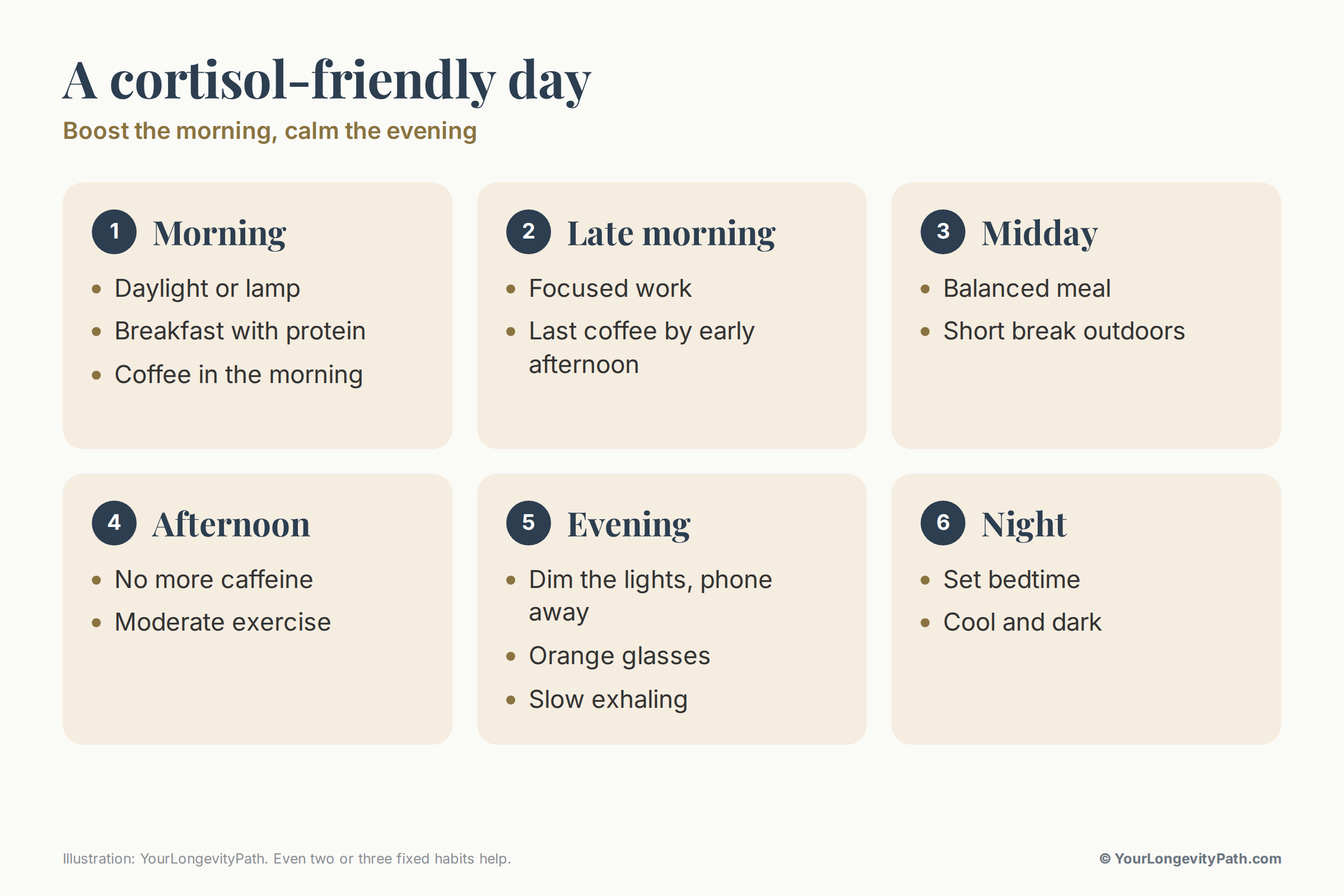 Fig. 4: A cortisol-friendly day. Even two or three fixed habits increase the difference between day and night.
Support with new routines
If you recognise yourself in the pattern “tired in the morning, awake at night”, it is worth looking at your cortisol rhythm. It won’t change overnight. But it responds well to light, sleep, the timing of your coffee and calm evenings. Several small habits together do more than a single one.
On your own, it is often hard to stick with new routines, especially with ADHD. That is what my ADHD coaching for adults is for. Together we look at what time of day you are at your best and when you crash, what keeps you awake at night and which routines fit your everyday life. Then we put them into practice step by step, so they hold up on busy days too. You don’t need a diagnosis for this.
The easiest way to start is a free initial consultation, online and without obligation.
Scientific sources
-
Pruessner, J. C., Wolf, O. T., Hellhammer, D. H., et al. (1997). Free cortisol levels after awakening: a reliable biological marker for the assessment of adrenocortical activity. Life Sciences, 61(26), 2539–2549. doi: 10.1016/S0024-3205(97)01008-4
-
Adam, E. K., Quinn, M. E., Tavernier, R., McQuillan, M. T., Dahlke, K. A., & Gilbert, K. E. (2017). Diurnal cortisol slopes and mental and physical health outcomes: A systematic review and meta-analysis. Psychoneuroendocrinology, 83, 25–41. doi: 10.1016/j.psyneuen.2017.05.018
-
Chang, J. P.-C., Su, K.-P., Mondelli, V., & Pariante, C. M. (2021). Cortisol and inflammatory biomarker levels in youths with attention deficit hyperactivity disorder (ADHD): evidence from a systematic review with meta-analysis. Translational Psychiatry, 11, 430. doi: 10.1038/s41398-021-01550-0
-
Kamradt, J. M., Momany, A. M., & Nikolas, M. A. (2018). A meta-analytic review of the association between cortisol reactivity in response to a stressor and attention-deficit hyperactivity disorder. ADHD Attention Deficit and Hyperactivity Disorders, 10(2), 99–111. doi: 10.1007/s12402-017-0238-5
-
Raz, S., & Leykin, D. (2015). Psychological and cortisol reactivity to experimentally induced stress in adults with ADHD. Psychoneuroendocrinology, 60, 7–17. doi: 10.1016/j.psyneuen.2015.05.008
-
Corominas-Roso, M., Palomar, G., Ferrer, R., Real, A., Nogueira, M., Corrales, M., Casas, M., & Ramos-Quiroga, J. A. (2015). Cortisol response to stress in adults with attention deficit hyperactivity disorder. International Journal of Neuropsychopharmacology, 18(9), pyv027. doi: 10.1093/ijnp/pyv027
-
Ramos-Quiroga, J. A., Corominas-Roso, M., Palomar, G., et al. (2016). Cortisol awakening response in adults with attention deficit hyperactivity disorder: Subtype differences and association with the emotional lability. European Neuropsychopharmacology, 26(7), 1140–1149. doi: 10.1016/j.euroneuro.2016.03.014
-
Arnsten, A. F. T. (2009). Stress signalling pathways that impair prefrontal cortex structure and function. Nature Reviews Neuroscience, 10(6), 410–422. doi: 10.1038/nrn2648
-
Handa, R. J., & Weiser, M. J. (2014). Gonadal steroid hormones and the hypothalamo-pituitary-adrenal axis. Frontiers in Neuroendocrinology, 35(2), 197–220. doi: 10.1016/j.yfrne.2013.11.001
-
Leproult, R., Copinschi, G., Buxton, O., & Van Cauter, E. (1997). Sleep loss results in an elevation of cortisol levels the next evening. Sleep, 20(10), 865–870. doi: 10.1093/sleep/20.10.865
-
Woods, N. F., Mitchell, E. S., & Smith-Dijulio, K. (2009). Cortisol levels during the menopausal transition and early postmenopause: observations from the Seattle Midlife Women’s Health Study. Menopause, 16(4), 708–718. doi: 10.1097/gme.0b013e318198d6b2
-
Grub, J., Süss, H., Willi, J., & Ehlert, U. (2021). Steroid hormone secretion over the course of the perimenopause: findings from the Swiss Perimenopause Study. Frontiers in Global Women’s Health, 2, 774308. doi: 10.3389/fgwh.2021.774308
-
Qureshi, A. C., Bahri, A., Breen, L. A., et al. (2007). The influence of the route of oestrogen administration on serum levels of cortisol-binding globulin and total cortisol. Clinical Endocrinology, 66(5), 632–635. doi: 10.1111/j.1365-2265.2007.02784.x
-
Scheer, F. A. J. L., & Buijs, R. M. (1999). Light affects morning salivary cortisol in humans. Journal of Clinical Endocrinology & Metabolism, 84(9), 3395–3398. doi: 10.1210/jcem.84.9.6102
-
Lovallo, W. R., Whitsett, T. L., al’Absi, M., Sung, B. H., Vincent, A. S., & Wilson, M. F. (2005). Caffeine stimulation of cortisol secretion across the waking hours in relation to caffeine intake levels. Psychosomatic Medicine, 67(5), 734–739. doi: 10.1097/01.psy.0000181270.20036.06
-
Cole, E. L., Grillo, A. R., & Vrshek-Schallhorn, S. (2024). Habitual caffeine use is associated with heightened cortisol reactivity to lab-based stress in two samples. Psychosomatic Medicine, 86(8), 730–737. doi: 10.1097/PSY.0000000000001334
-
Cadegiani, F. A., & Kater, C. E. (2016). Adrenal fatigue does not exist: a systematic review. BMC Endocrine Disorders, 16, 48. doi: 10.1186/s12902-016-0128-4
-
Shechter, A., Kim, E. W., St-Onge, M.-P., & Westwood, A. J. (2018). Blocking nocturnal blue light for insomnia: a randomized controlled trial. Journal of Psychiatric Research, 96, 196–202. doi: 10.1016/j.jpsychires.2017.10.015
Do people with ADHD have low or high cortisol?
Rather low. In children and teenagers with ADHD, cortisol is lower on average, especially in the morning. That is the result of an analysis of 19 studies. For adults there is much less data. Cortisol acts on the area behind the forehead that is responsible for attention and impulse control.
What does a flat cortisol profile mean?
Healthy is a high value in the morning and a low one in the evening. Flat means cortisol rises too little in the morning and falls too little in the evening. In studies, people with a flat curve have poorer health outcomes, especially for inflammation.
Does menopause change the cortisol rhythm?
Often through sleep. Many women sleep worse around menopause, and lack of sleep raises cortisol in the evening. Whether cortisol rises overall varies a lot from woman to woman.
Is a cortisol test worth it?
Only as a daily profile in saliva with several measurements. A single value says little, because cortisol fluctuates a lot. The results should be interpreted by a doctor.
How can I balance my cortisol with ADHD?
Three steps have the best support in studies: daylight in the morning, enough sleep at set times, and coffee only in the morning. Protein at breakfast, a calm evening and exercise during the day help on top.
Why do ADHD symptoms get worse in menopause?
Falling oestrogen weakens dopamine, the messenger for drive and attention. At the same time many women sleep worse, and lack of sleep keeps cortisol high in the evening.
This article is for informational purposes only and does not replace professional medical advice, diagnosis, or treatment. If you have health concerns, please consult a qualified healthcare professional.