Hormones
Does Progesterone Cause Bloating? What the Studies Show
24 September 2026 · By Dr. B.J. Huber · 12 min read
Your belly is swollen in the evening, even though you have not eaten anything different. Maybe you recently started taking progesterone. Maybe you are in the middle of menopause. Everywhere you read the same explanation: progesterone relaxes the gut muscles, the bowel becomes sluggish, and that causes the bloating.
I looked at the studies. The short answer: bloating around menopause is real. But in humans there is little evidence that progesterone causes it by slowing digestion. And for the belly that visibly sticks out, there is a different explanation, one you can work on yourself.
- Bloating increases around menopause, especially when cycles become irregular and when periods stop for months.
- In humans there is little evidence that progesterone slows digestion. Most studies found no difference.
- In one study, the bowel even worked faster on progesterone.
- Still, women on progesterone report stomach and bowel complaints more often: 8 in 100 instead of 1 in 100.
- When the belly visibly sticks out, the diaphragm is often the reason. You can train it.
Does progesterone cause bloating?
Some women get stomach or bowel complaints on progesterone. The common explanation for this is wrong, though. Progesterone does not make digestion slower. Two studies show this. In both, women were randomly assigned to progesterone or a placebo.
In the first study, 49 women after menopause took 400 mg of progesterone or a placebo every day for a week. The researchers measured how fast the contents of the bowel moved along. On progesterone they moved faster, and stools became softer.8 That does not look like a sluggish bowel.
In the second study, 189 women in perimenopause, the years before the last period, took 300 mg of progesterone in the evening against hot flushes, or a placebo. 8 in 100 women on progesterone reported nausea or other stomach and bowel complaints, compared with 1 in 100 on the placebo.17
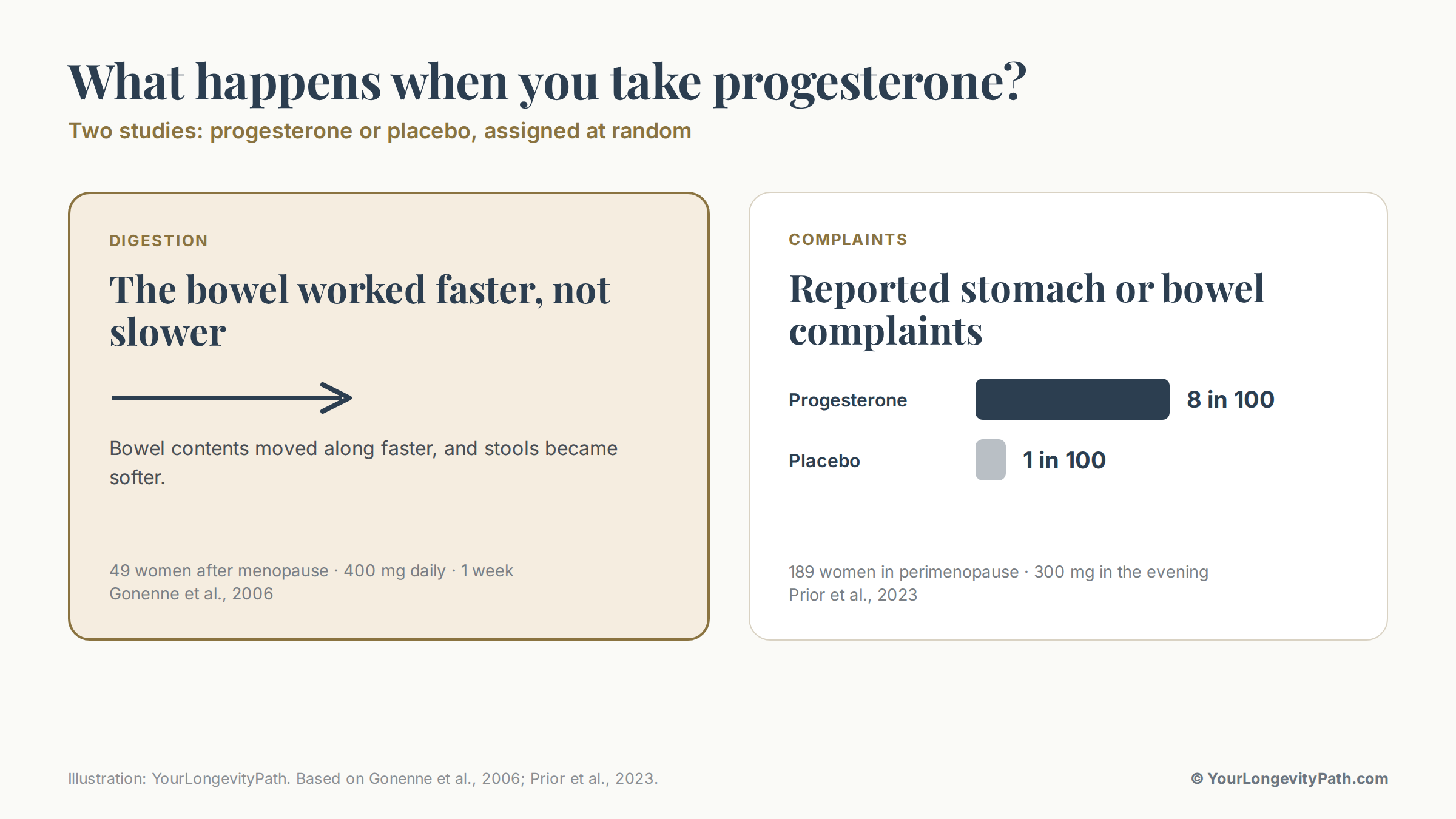 Fig. 1: What was measured when women took progesterone
So progesterone can upset your stomach. Nobody knows why. According to these data, slower digestion is not the reason. Both studies were small and short. If your bloating started when you began taking progesterone, talk to your doctor.
Where does the idea come from that progesterone slows digestion?
Mainly from animal studies. In rats and mice, progesterone clearly slows the gut. In humans the effect is much smaller, if it exists at all. Experts from the Mayo Clinic say the same in a review.16
In humans, researchers tested it using the menstrual cycle. Progesterone is high in the second half of the cycle and low in the first. If progesterone slowed the gut, food should take longer in the second half. Seven studies measured this. Two found slower digestion, five found no clear difference.2,5,9,11,12,18,21
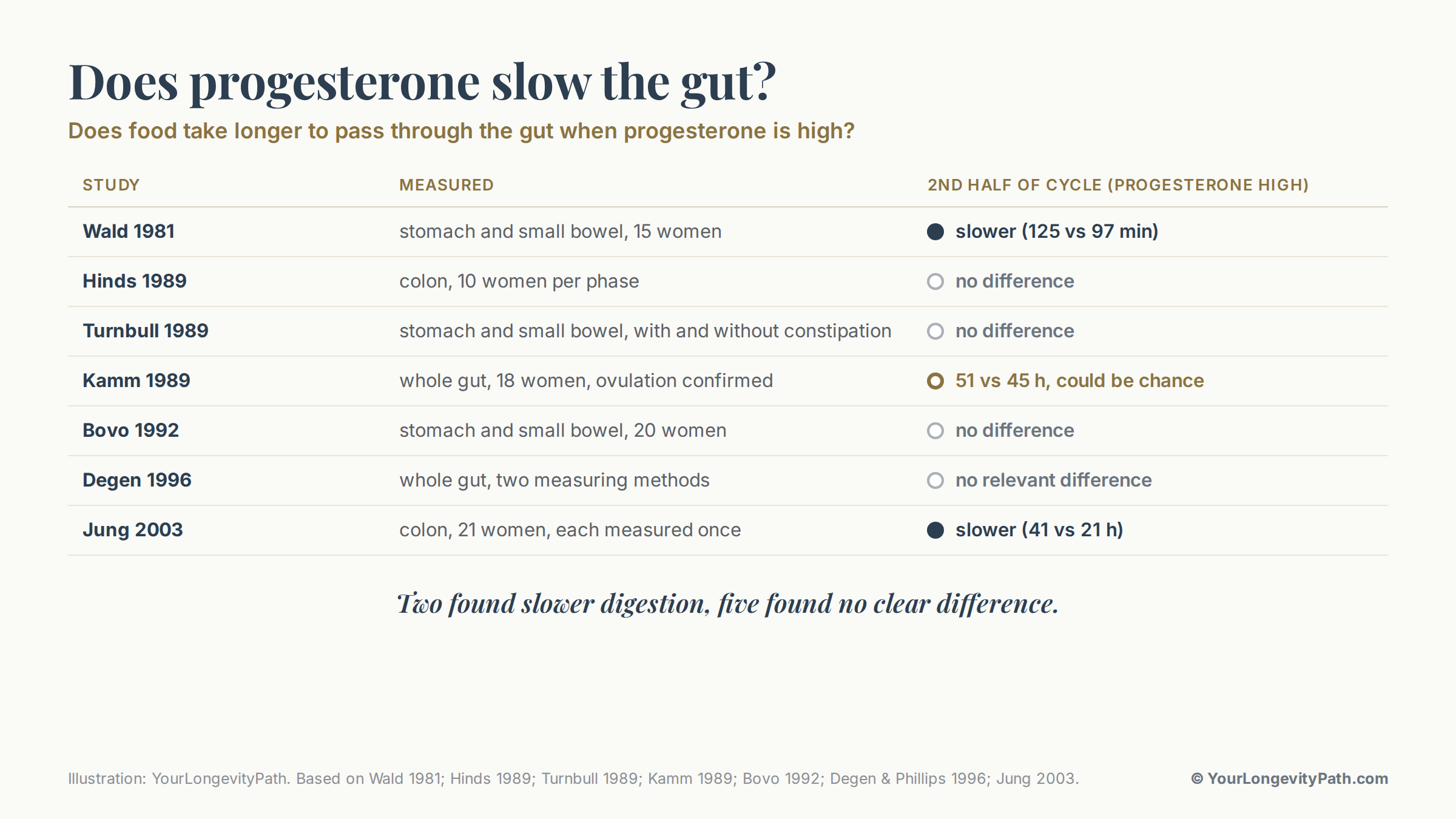 Fig. 2: Seven studies on digestion and the menstrual cycle
The most careful of these studies confirmed ovulation with a blood test in 18 women and measured each woman in both halves of the cycle. Food took 45 hours on average to pass through the whole gut in the first half and 51 hours in the second.12 The difference was so small that it could be chance.
One review that looks at animal and human studies together still considers a slowing effect of progesterone likely.4 Looking at human studies alone, the evidence is weak.
What does menopause have to do with it?
Menopause does bring more bloating. It just cannot be pinned on progesterone. An American study followed 291 women through menopause over many years. The women kept a diary of their symptoms and regularly gave urine samples.
Bloating increased in two phases: when cycles became irregular, and later, when periods stopped for two months or longer. Tension was also linked to more bloating.13
The study does not show which hormone is behind this. Progesterone was not even measured. For constipation and diarrhoea, the same researchers found no link with menopause, but they did find one with tension.3
Why does the belly visibly stick out?
How big your belly looks depends less on the gas than on your diaphragm. That is the muscle below the lungs that separates the chest from the belly.
A Spanish research group put the same amount of gas into the gut of 20 people with bloating and 15 people without. They measured what the diaphragm and the belly muscles did. In people without bloating, the diaphragm moved upwards and the belly wall tightened. That made room for the gas without the belly sticking out much. In people with bloating, the diaphragm pushed downwards and the belly wall gave way. With the same amount of gas, their belly stuck out much more.20
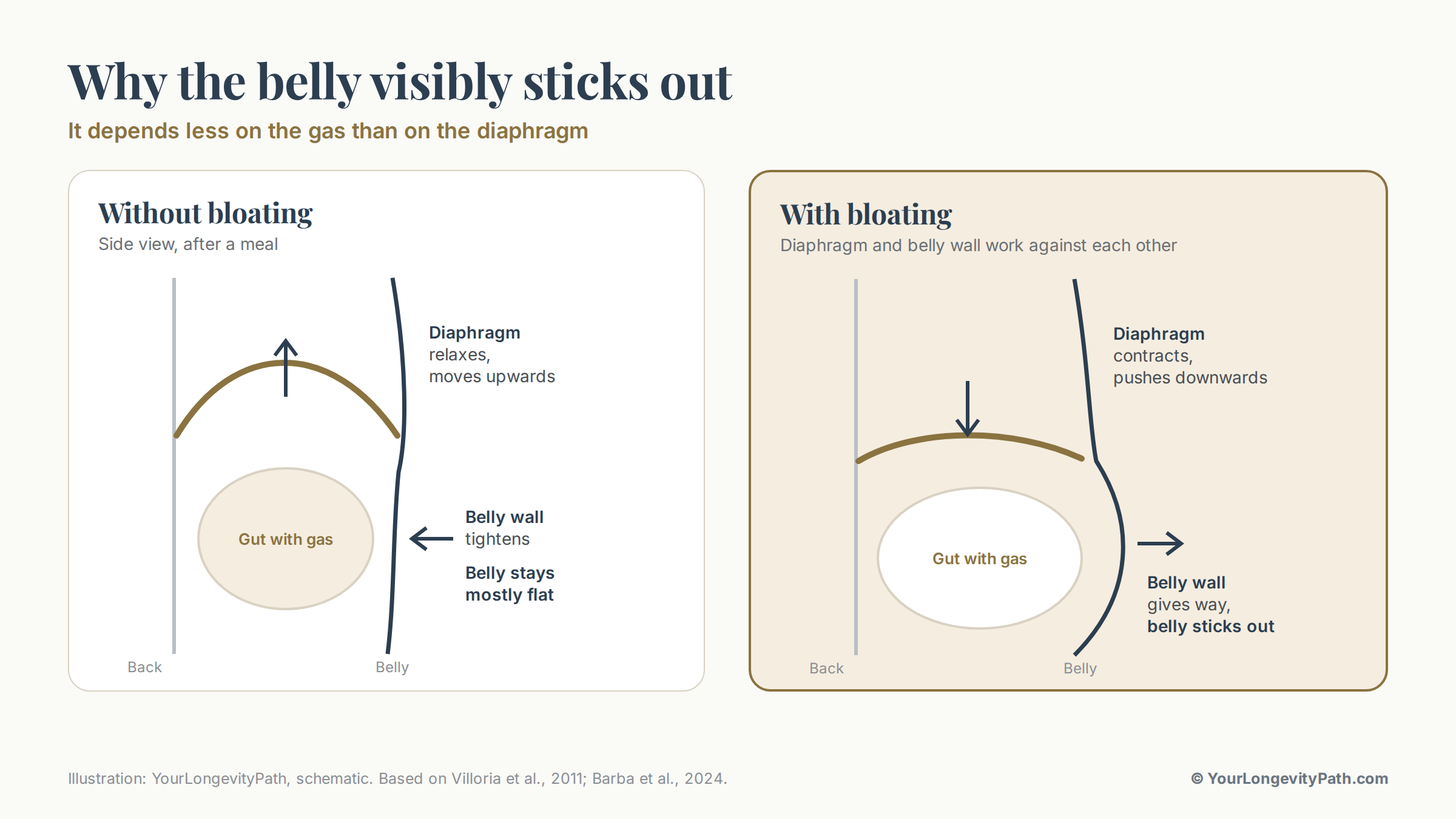 Fig. 3: How the diaphragm pushes the belly forward
Whether hormones play a role here has not been studied. But it is the part of bloating where you can do something yourself.
Can you train your diaphragm?
One study suggests you can. The same research group randomly split 42 people whose belly sticks out after meals into two groups. 36 of them were women aged 17 to 64.
The first group practised at three sessions in front of a screen that showed the movement of their chest and belly. First, participants learned to lift the chest and pull the belly in at the same time. This moves the diaphragm upwards. Then they practised switching between the two: chest down and belly out, then chest up and belly in again. At home they did this every day, for five minutes before and after each main meal.
The second group got a placebo capsule. This showed whether the training does more than simply expecting something to help.
After four weeks, the belly in the training group stuck out much less after meals. Participants rated their bloated belly two thirds lower than before. In the placebo group, little changed.1
So far only this one research group has tested the training. European experts therefore rate the evidence as weak.14 Those who kept practising still had fewer symptoms after six months. At that point, however, there was no comparison group any more.1
What you can do
1. If you take progesterone, bring it up. If the bloating started when you began taking it, tell your doctor. The dose, the time of day and the form can be adjusted.
2. Practise releasing your diaphragm. This helps if the belly sticking out after meals bothers you most. Lift your chest and pull your belly in at the same time, then let go and switch calmly back and forth. Do this for five minutes before and after each main meal. It is easier to learn with guidance: ask a gastroenterology practice about biofeedback.
3. Increase fibre slowly and drink enough. This helps mainly with constipation. Psyllium husk is the best studied.19 With 10 grams of acacia fibre a day, people with constipation went to the toilet about once a week more often after four weeks.10 They did not get more bloating from it. More water mainly helps if you were drinking too little before.15
4. Move. In studies, exercise helped with constipation. How much is unclear, because the studies differed a lot.7
5. Have your pelvic floor checked. If constipation does not go away, the cause is sometimes a pelvic floor that does not relax properly during a bowel movement. In one study, pelvic floor training with biofeedback helped women after menopause more than dietary advice alone.22
6. Take warning signs seriously. Weight loss, blood in the stool, anaemia or symptoms that wake you at night need to be seen by a doctor.
What comes next
Bloating around menopause is real. Progesterone is probably not the main reason, even if it upsets the stomach in some women. Which part of the hormonal change is behind it, research does not know yet. You can still do something: with your diaphragm, with fibre and in a conversation with your doctor.
If you would like to look at hormones, digestion, sleep and stress together, I am happy to support you. In hormone coaching for perimenopause we look for the starting points that fit your everyday life. Anything that needs a medical check stays with your doctor. The easiest way to start is a free initial consultation, online and without obligation.
You can read more about the gut in menopause in Does perimenopause change your gut?.
Scientific sources
-
Barba, E., Livovsky, D. M., Accarino, A., & Azpiroz, F. (2024). Thoracoabdominal wall motion-guided biofeedback treatment of abdominal distention: a randomized placebo-controlled trial. Gastroenterology, 167(3), 538–546.e1. doi: 10.1053/j.gastro.2024.03.005
-
Bovo, P., Paola Brunori, M., di Francesco, V., Frulloni, L., Montesi, G., & Cavallini, G. (1992). The menstrual cycle has no effect on gastrointestinal transit time. Evaluation by means of the lactulose H2 breath test. Italian Journal of Gastroenterology, 24(8), 449–451. PMID: 1421448
-
Callan, N. G. L., Mitchell, E. S., Heitkemper, M. M., & Woods, N. F. (2018). Constipation and diarrhea during the menopause transition and early postmenopause. Menopause, 25(6), 615–624. doi: 10.1097/GME.0000000000001057
-
Coquoz, A., Regli, D., & Stute, P. (2022). Impact of progesterone on the gastrointestinal tract: a comprehensive literature review. Climacteric, 25(4), 337–361. doi: 10.1080/13697137.2022.2033203
-
Degen, L. P., & Phillips, S. F. (1996). Variability of gastrointestinal transit in healthy women and men. Gut, 39(2), 299–305. doi: 10.1136/gut.39.2.299
-
Dimidi, E., van der Schoot, A., Barrett, K., et al. (2025). British Dietetic Association guidelines for the dietary management of chronic constipation in adults. Journal of Human Nutrition and Dietetics, 38(5), e70133. doi: 10.1111/jhn.70133
-
Gao, R., Tao, Y., Zhou, C., et al. (2019). Exercise therapy in patients with constipation: a systematic review and meta-analysis of randomized controlled trials. Scandinavian Journal of Gastroenterology, 54(2), 169–177. doi: 10.1080/00365521.2019.1568544
-
Gonenne, J., Esfandyari, T., Camilleri, M., et al. (2006). Effect of female sex hormone supplementation and withdrawal on gastrointestinal and colonic transit in postmenopausal women. Neurogastroenterology and Motility, 18(10), 911–918. doi: 10.1111/j.1365-2982.2006.00808.x
-
Hinds, J. P., Stoney, B., & Wald, A. (1989). Does gender or the menstrual cycle affect colonic transit? American Journal of Gastroenterology, 84(2), 123–126. PMID: 2916519
-
JanssenDuijghuijsen, L., van den Belt, M., Rijnaarts, I., et al. (2024). Acacia fiber or probiotic supplements to relieve gastrointestinal complaints in patients with constipation-predominant IBS: a 4-week randomized double-blinded placebo-controlled intervention trial. European Journal of Nutrition, 63(5), 1983–1994. doi: 10.1007/s00394-024-03398-8
-
Jung, H. K., Kim, D. Y., & Moon, I. H. (2003). Effects of gender and menstrual cycle on colonic transit time in healthy subjects. Korean Journal of Internal Medicine, 18(3), 181–186. doi: 10.3904/kjim.2003.18.3.181
-
Kamm, M. A., Farthing, M. J., & Lennard-Jones, J. E. (1989). Bowel function and transit rate during the menstrual cycle. Gut, 30(5), 605–608. doi: 10.1136/gut.30.5.605
-
Kamp, K. J., Callan, N. G. L., Mitchell, E. S., Heitkemper, M. M., & Woods, N. F. (2026). Bloating during the menopause transition: observations from the Seattle Midlife Women’s Health Study. Journal of Women’s Health, 35(9), 834–839. doi: 10.1177/15409996261455326
-
Melchior, C., Hammer, H., Bor, S., et al. (2025). European consensus on functional bloating and abdominal distension: an ESNM/UEG recommendations for clinical management. United European Gastroenterology Journal, 13(9), 1613–1651. doi: 10.1002/ueg2.70098
-
Müller-Lissner, S. A., Kamm, M. A., Scarpignato, C., & Wald, A. (2005). Myths and misconceptions about chronic constipation. American Journal of Gastroenterology, 100(1), 232–242. doi: 10.1111/j.1572-0241.2005.40885.x
-
Narayanan, S. P., Anderson, B., & Bharucha, A. E. (2021). Sex- and gender-related differences in common functional gastroenterologic disorders. Mayo Clinic Proceedings, 96(4), 1071–1089. doi: 10.1016/j.mayocp.2020.10.004
-
Prior, J. C., Cameron, A., Fung, M., et al. (2023). Oral micronized progesterone for perimenopausal night sweats and hot flushes: a Phase III Canada-wide randomized placebo-controlled 4 month trial. Scientific Reports, 13(1), 9082. doi: 10.1038/s41598-023-35826-w
-
Turnbull, G. K., Thompson, D. G., Day, S., et al. (1989). Relationships between symptoms, menstrual cycle and orocaecal transit in normal and constipated women. Gut, 30(1), 30–34. doi: 10.1136/gut.30.1.30
-
van der Schoot, A., Drysdale, C., Whelan, K., & Dimidi, E. (2022). The effect of fiber supplementation on chronic constipation in adults: an updated systematic review and meta-analysis of randomized controlled trials. American Journal of Clinical Nutrition, 116(4), 953–969. doi: 10.1093/ajcn/nqac184
-
Villoria, A., Azpiroz, F., Burri, E., Cisternas, D., Soldevilla, A., & Malagelada, J.-R. (2011). Abdomino-phrenic dyssynergia in patients with abdominal bloating and distension. American Journal of Gastroenterology, 106(5), 815–819. doi: 10.1038/ajg.2010.408
-
Wald, A., Van Thiel, D. H., Hoechstetter, L., et al. (1981). Gastrointestinal transit: the effect of the menstrual cycle. Gastroenterology, 80(6), 1497–1500. doi: 10.1016/0016-5085(81)90263-8
-
Wang, R., Xia, M., Gao, Z., Yu, X., & Guo, A. (2025). Efficacy of biofeedback therapy on chronic constipation and sexual dysfunction in postmenopausal women: a randomized controlled trial. Neurogastroenterology and Motility, 37(11), e70084. doi: 10.1111/nmo.70084
Does progesterone cause bloating?
Sometimes. But progesterone does not slow down digestion, so that is not the cause. In one study, 8 in 100 women on progesterone reported stomach or bowel complaints, compared with 1 in 100 on a placebo. In another study, the bowel even worked faster on progesterone.
Does progesterone make the bowel sluggish?
In humans there is little evidence for this. Seven studies measured whether food moves more slowly through the gut in the second half of the cycle, when progesterone is high. Two found this, five did not. The idea comes mainly from animal studies.
Why do I get a bloated belly in menopause?
Bloating does increase around menopause, especially when cycles become irregular and when periods stop for months. Tension plays a part too. When the belly visibly sticks out, the diaphragm is often the reason: it pushes downwards after a meal.
What helps against bloating in menopause?
If your belly sticks out after meals, training your diaphragm helps: lift your chest, pull your belly in. For constipation, psyllium husk or acacia fibre with enough water can help. If the bloating started when you began taking progesterone, talk to your doctor.
This article is for informational purposes only and does not replace professional medical advice, diagnosis, or treatment. If you have health concerns, please consult a qualified healthcare professional.